

It has been a weekend of high-stakes pivots and close calls. From a security breach at the White House Correspondents’ Dinner to a surprise diplomatic proposal from Iran, the global landscape is shifting faster than the markets can keep up. This week, we’re breaking down why a $400 million ballroom is a national security priority and what a "regime change" at the Federal Reserve actually means for your savings account. While the tech world is celebrating record highs, the "energy shock" in the Middle East is quietly raising the floor on your cost of living. Here is what you need to know to stay ahead.
Subscribe for free to receive our FREE Retirement Calculator and Guide
Security Scare Sparks New Push for the $400M White House Ballroom
President Trump was evacuated from the White House Correspondents’ Dinner on Saturday after a shooter was apprehended on-site. The incident has immediately reignited a fierce debate over the controversial $400 million ballroom project currently under construction on the White House grounds. Trump argued on social media that the “Top Secret” facility is a national security necessity that would have prevented such a breach.
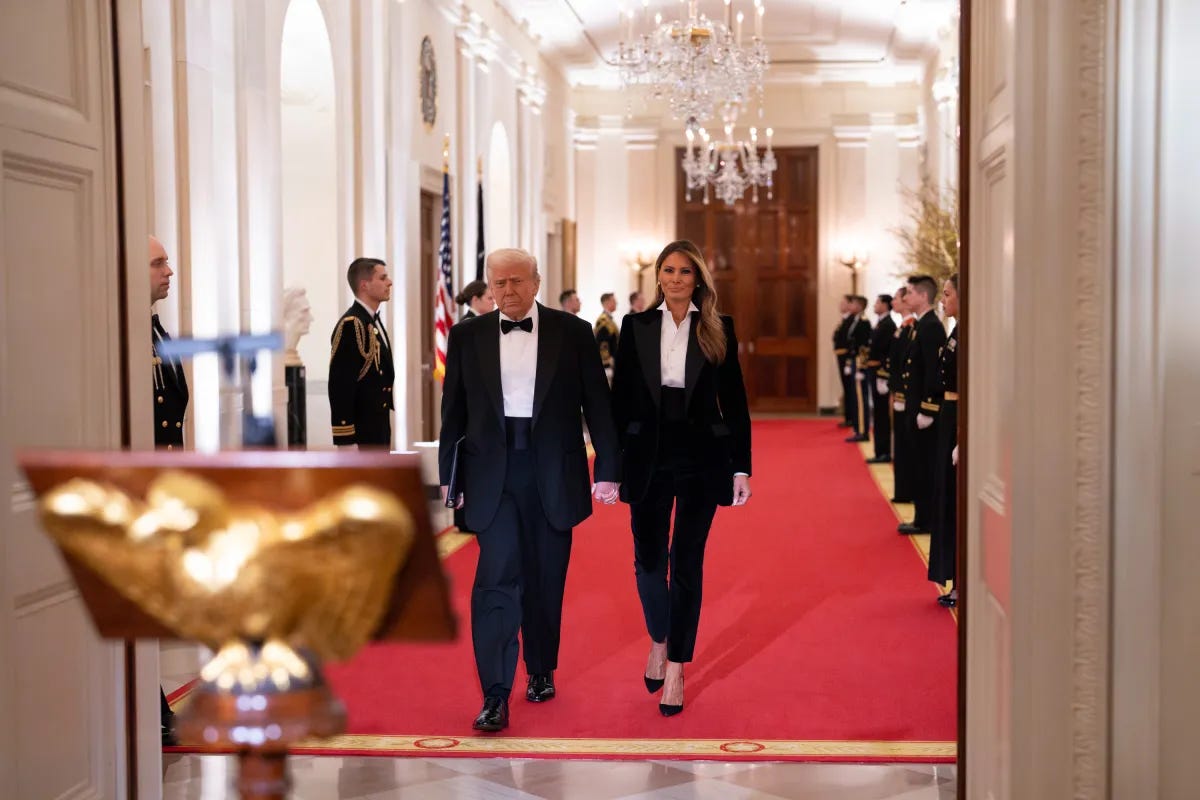
President Donald Trump and First Lady Melania Trump were the target of yet another assassination attempt this past weekend during the White House Correspondents’ Dinner gala in Washington, DC (Picture courtesy of The White House)
The project has been stuck in legal limbo, with the National Trust for Historic Preservation suing over the demolition of the former East Wing. While a judge previously limited work to underground security facilities, the Department of Justice is now demanding the lawsuit be dropped, citing the weekend’s assassination attempt as proof the president needs a secure, on-site event space.
What’s next? Expect a major legislative push this week as supporters try to make their argument in the courts and fast-track construction. If successful, it would mark a permanent shift in the White House’s architectural and security footprint. For now, a June 5th appellate court hearing remains the next big hurdle, but the political pressure is hitting a breaking point.
Subscribe for free to receive our FREE Retirement Calculator and Guide
The Hormuz Gamble: A Deal on the Table?
Iran just threw a curveball, proposing a new deal to reopen the Strait of Hormuz. The catch? They want to park the nuclear talks for now and focus purely on ending the war and getting the oil flowing again. While President Trump cancelled a weekend trip to Islamabad due to confusion and chaos among the Iranian leadership, the back-and-forth suggests both sides might be trying to find an exit.
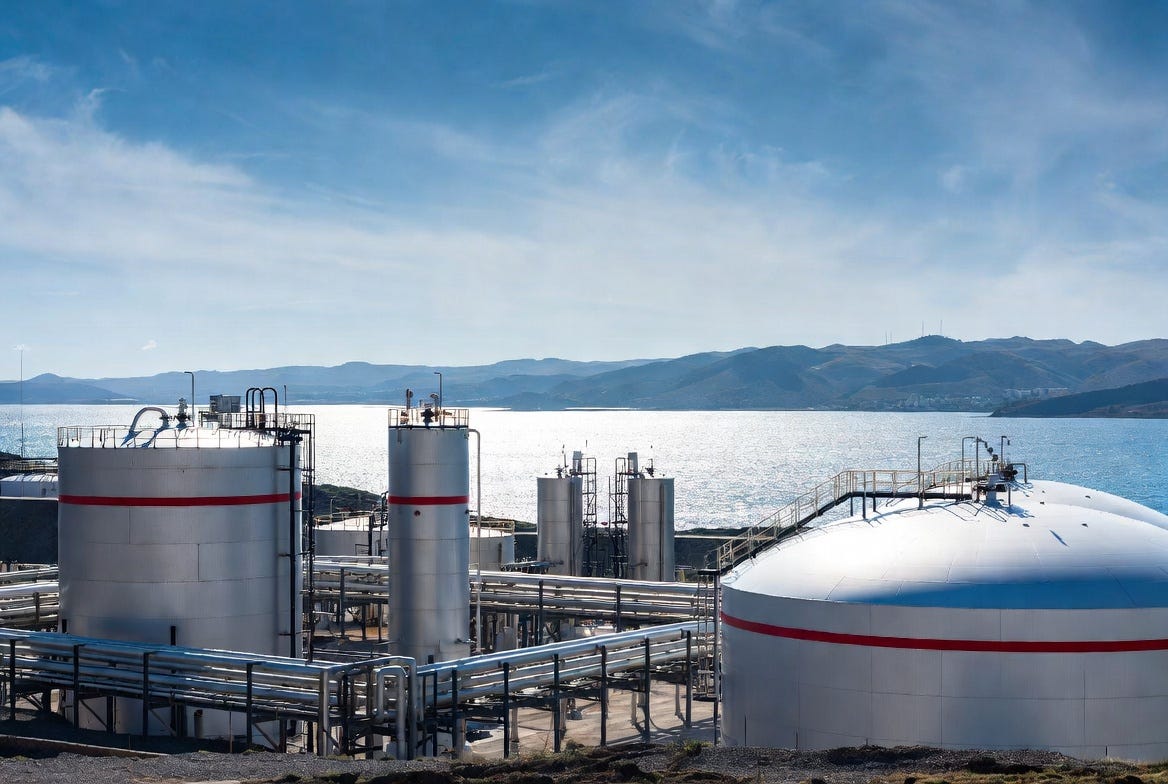
Liquified Natural Gas (LNG) is also affected by the Iran War, which is a key problem for the global supply of this very important source of energy.
Energy markets are already bracing for a “higher for longer” reality. Goldman Sachs just bumped its long-term oil forecast to $90 a barrel, warning that the global supply is shrinking at a record pace. It’s not just oil, though; about a fifth of the world’s liquified natural gas (LNG) is currently stuck, which means your grocery bill might see a delayed spike as fertilizer costs climb.
Despite the drama, Wall Street is behaving like everything is fine. Global stocks are hovering near record highs because the “AI boom” is currently outrunning the “war gloom.” Analysts call it a tug-of-war between high-tech profits and high-energy costs—and for now, tech is winning. But with “fat tail” risks still ahead, keeping a diversified hand might be the smart move.
Subscribe for free to receive our FREE Retirement Calculator and Guide
Warsh Takes the Hot Seat: A New Era for Your Interest Rates
Kevin Warsh is one step closer to leading the Fed. In a high-stakes Senate hearing on Tuesday, he made a big promise: the central bank will stay independent, even with the White House pushing for the “lowest interest rates in the world.” Warsh signaled he prefers using standard interest rate tools over more complex maneuvers, calling it a “fairer” way to manage the economy.
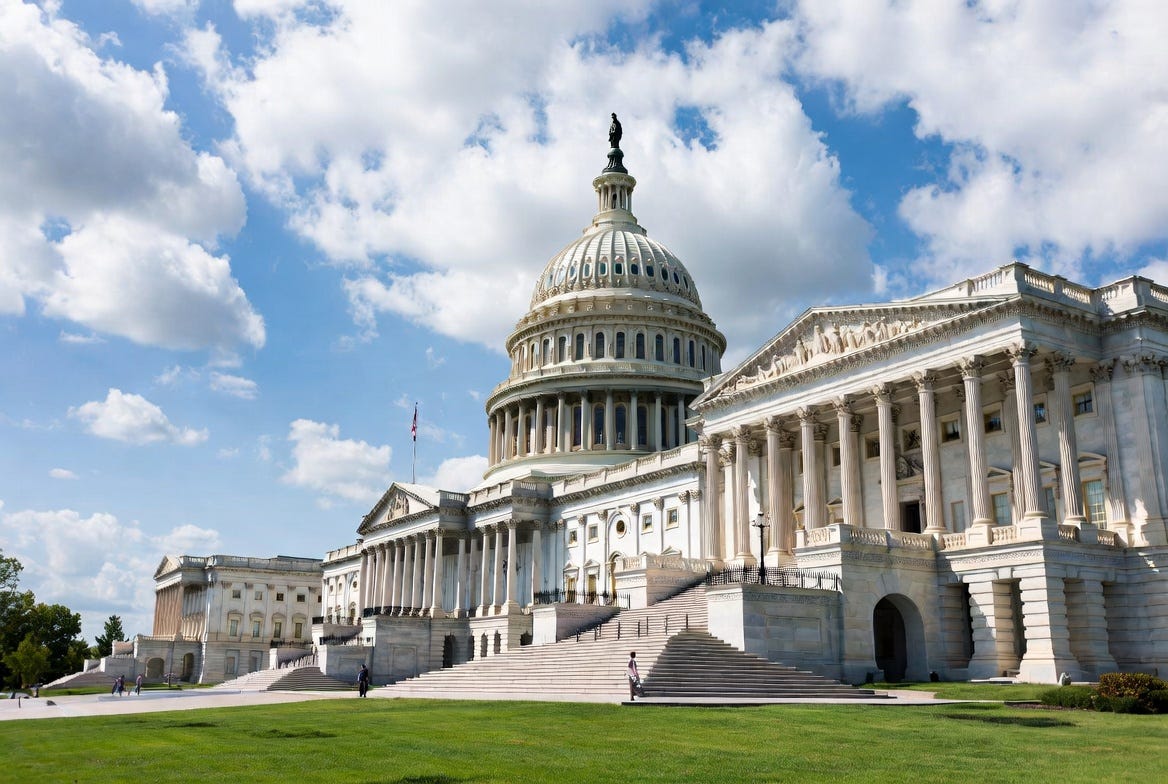
The US Senate will have to approve Kevin Warsh’ nomination for Chairman of the Federal Reserve, setting the stage for another political showdown.
However, the transition isn’t a done deal yet. Senator Thom Tillis is currently blocking the nomination, citing an ongoing probe into current Chair Jerome Powell’s office renovations. This D.C. gridlock, combined with a “fractured” leadership situation, means the Fed is in a bit of a holding pattern.
For your wallet, don’t expect a sudden drop in borrowing costs. With oil prices surging and the leadership handoff stalled, experts claim we can expect the Fed to keep rates exactly where they are for the rest of the year. Whether it’s your mortgage or your credit card, the era of high rates might not be over just yet.
Subscribe for free to receive our FREE Retirement Calculator and Guide
Disclaimer:
The information provided by The Market Dispatch is for educational and informational purposes only and should not be construed as financial, legal, or investment advice.
The Market Dispatch, its authors, and contributors are not financial advisors, brokers, or attorneys. Any opinions, analyses, or projections expressed are solely those of the authors and do not constitute specific recommendations for any individual.
Investing involves risk, including the potential loss of principal and capital. Past performance does not guarantee future results. Before making any financial decisions or investments, you should consult with a qualified financial advisor or other professional who understands your personal circumstances.
By reading this newsletter or using any related materials, you acknowledge and agree that The Market Dispatch and its team will not be held liable for any loss, damage, or expense incurred as a result of reliance on the information provided.
Explained on point. I was wondering, if Mr. President's assuring posts everyday impact the stock market positively?
I’m curious to see what Warsh will do since historically he’s been hawkish, but the President wants a dovish Chair.