

When equity markets enter a downward spiral, financial media feeds fill with red chart lines, alarming ticker updates, and apocalyptic warnings of economic doom. For standard long-only buy-and-hold investors, bear markets feel like an unavoidable tax on patience. You watch years of portfolio gains evaporate in weeks, stuck between the fear of selling at the bottom and the pain of holding through a prolonged drawdown.
However, institutional traders and seasoned portfolio managers look at falling markets with a completely different mindset. Downturns do not mean the end of opportunity—they simply mean the rules of generating returns have shifted.
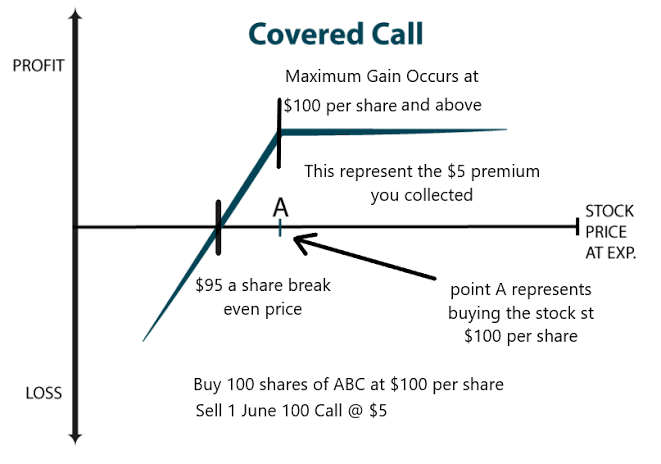
Strategies like using Covered Calls (explained in detail later in this article) can help traders navigate markets during a downturn (Chart: VantagePoint)
Enter the options market. While most investors view options as complex, high-risk derivative tools reserved for speculative gamblers, their original intended function is precisely the opposite: risk management, downside protection, and controlled income generation.
Learning how to trade options in a stock market downturn turns volatility from an enemy into an asset. You do not need to time the exact market bottom or bet the farm on risky short positions to profit when prices fall. By understanding derivative mechanics, implied volatility, and strategic contract structures, you can insulate your net worth, purchase premium stocks at deep discounts, and generate steady cash flow while Wall Street panics.
