

For generations, gold and precious metals have been touted as the ultimate “safe haven” investment. A glittering fortress of value against inflation, economic collapse, and market turmoil. Buy gold, the wisdom goes, and you have tangible wealth that transcends paper currencies and failing stock markets.
But as we push into 2026, is that conventional narrative still sound? Is gold, in fact, the smart-money move so many proclaim it to be?
For many investors, the shining allure of gold can obscure a complex reality. In today’s installment of The Market Dispatch, we deconstruct the popular gold narrative, exposing the critical factors that may make precious metals a far less impressive investment than you might think. We’re talking storage costs, a complete lack of productivity, and the uncomfortable truth that gold’s gains are often just the shadow cast by inflation.
Subscribe for free to receive our FREE Retirement Calculator and Guide
The Logistics Problem: It’s Heavy, Expensive, and a Security Nightmare
The first, most immediate, and least-talked-about challenge with physical gold is, well, it’s physical. It has to live somewhere.
Storing gold isn’t as simple as dropping it in a bank deposit box. For significant amounts, you’re looking at private vaulting services. These are not cheap. You pay for security, humidity control, and precise accounting.
Then there’s the issue of insurance. While your homeowner’s policy might cover a small amount of jewelry, insuring a serious investment position in bullion or coins is a specialized (and costly) rider. And let’s not forget the existential risk: if you store it yourself, you are now a target. If your gold is in a private vault, you are now a target for cyber-theft or sophisticated real-world heists.
These are storage and logistical costs that directly, and significantly, eat into any potential returns. Over a long time, the expense of holding an asset that does nothing can erode a significant portion of its perceived growth.
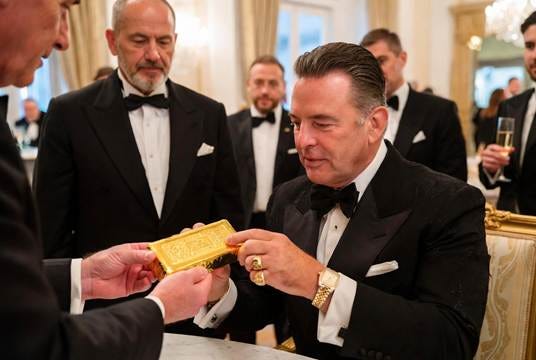
Gold is thought of as a store of value and a status symbol all throughout the world.
The Productivity Gap: Why Gold Never Pays You
This brings us to the most fundamental difference between gold and almost every other major asset class: gold is unproductive. It does not create value.
Stocks pay you dividends, a share of the profits generated by an underlying company that is actively working to produce goods, services, and economic value.
Bonds pay you interest, compensation for lending your capital to governments or corporations who use it for infrastructure, research, and growth.
Real Estate generates rent; cash flow paid to you by tenants for the use of your property.
Gold just sits there. It never gets smarter. It never works harder. It never generates new gold. Its entire investment value is based on the hope that someone else will pay you more for it later than you paid for it today. This is the opportunity cost: capital tied up in gold is capital not participating in the dynamic growth of the productive economy. Over a 10- or 20-year period, this difference in compounding is absolutely massive.
Subscribe for free to receive our FREE Retirement Calculator and Guide
The Inflation Illusion: Relying on Devaluation for Gains
But what about its most celebrated role: as a hedge against inflation? Here, too, the reality is far more nuanced. While gold historically tends to rise alongside inflation, this isn’t intrinsic growth. It’s often just a reflection of the dollar’s (or euro’s, or yuan’s) loss of purchasing power.
Think of it like this: if a basket of goods costs $100 today, and after serious inflation, that same basket costs $200 tomorrow, and the price of gold similarly doubles from $1,000 to $2,000, did your gold “grow” in real value? The answer is no. Its purchasing power merely kept up with the devaluation of the currency. The real gain was zero.
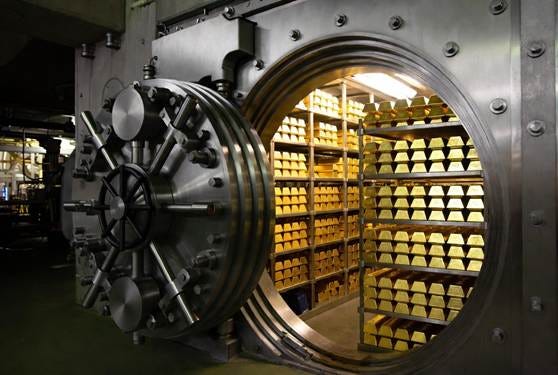
Gold is expensive to store and insure, and it doesn’t produce any cashflows while it is being held in deposit.
The perception of gold as a “growth” asset is a potent but dangerous inflation illusion. Relying on a currency’s collapse to drive your portfolio’s “gains” is a high-risk, negative-sum approach, especially when compared to the active compounding power of productive assets that thrive on real economic expansion.
Sentiment and Volatility: The Shadow Over the Shining Asset
Finally, let’s acknowledge that for all its perceived solidity, gold is extremely volatile and sentiment-driven. Because it has no underlying cash flow to anchor its price, gold is uniquely susceptible to shifts in market psychology. Fear, panic, central bank activity, and purely speculative hype can send gold skyrocketing... or plunging.
The “peace of mind” that investors seek can evaporate overnight. During long periods of relative calm, gold can underperform for years, leaving investors with negative real returns after accounting for storage. The safe haven can quickly become a dead weight, locked up in an expensive vault, mocking the opportunity costs of the booming tech sector or emerging markets.
The Final Verdict: An Expensive Insurance Policy, Not a Productive Asset
Gold is not inherently bad. As part of a diversified portfolio, perhaps as a 5% or 10% allocation to hedge against the most extreme forms of systemic collapse, it serves a purpose. It’s like an insurance policy. It’s expensive to maintain, but you’re glad you have it in a total emergency.
But as a cornerstone investment? As a reliable engine of long-term wealth creation? The evidence for gold and other precious metals simply doesn’t hold up. The real costs of storage, the fundamental lack of productivity, and the reliance on currency devaluation make gold a far less attractive proposition than its legendary reputation would suggest. For the readers of The Market Dispatch, the takeaway is simple: understand what you are buying. Don’t confuse expensive insurance with a productive, wealth-building asset.
Subscribe for free to receive our FREE Retirement Calculator and Guide
Disclaimer:
The information provided by The Market Dispatch is for educational and informational purposes only and should not be construed as financial, legal, or investment advice.
The Market Dispatch, its authors, and contributors are not financial advisors, brokers, or attorneys. Any opinions, analyses, or projections expressed are solely those of the authors and do not constitute specific recommendations for any individual.
Investing involves risk, including the potential loss of principal and capital. Past performance does not guarantee future results. Before making any financial decisions or investments, you should consult with a qualified financial advisor or other professional who understands your personal circumstances.
By reading this newsletter or using any related materials, you acknowledge and agree that The Market Dispatch and its team will not be held liable for any loss, damage, or expense incurred as a result of reliance on the information provided.
Very well said — I couldn’t agree more with your perspective. Excellent article.
Gold is very much ‘betting on debasement’ investment; which given current trends is not entirely irrational. Low interest rates are a scourge and are facilitating this unfortunately