

It has been a high-stakes week of escalating conflict, historic financial maneuvers, and immense geopolitical strain. In this issue, we dive straight into what the sudden collapse of the Middle East ceasefire means for your energy costs, how SpaceX's fast-tracked entry into the Nasdaq-100 will trigger a massive automated buying frenzy for tech investors, and the global economic fallout of Venezuela’s devastating $6.7 billion earthquake crisis. Here is the quick, unvarnished download on where the world is moving and what it actually means for your wallet. 🗺️⚡📊
Ceasefire Shattered: U.S. and Iran Exchange Heavy Strikes in the Strait of Hormuz
A fragile peace effort has abruptly collapsed into open military conflict after the U.S. launched targeted airstrikes against Iranian missile facilities, drone storage locations, and coastal radar sites. The military action, ordered by President Donald Trump, came in direct retaliation for an Iranian drone attack on a commercial cargo ship in the critical Strait of Hormuz trade corridor. Iran immediately shot back, claiming the U.S. violated its commitments and launching retaliatory strikes against American military positions in the region, while neighboring Bahrain reported its own sovereignty was violated by an Iranian drone.
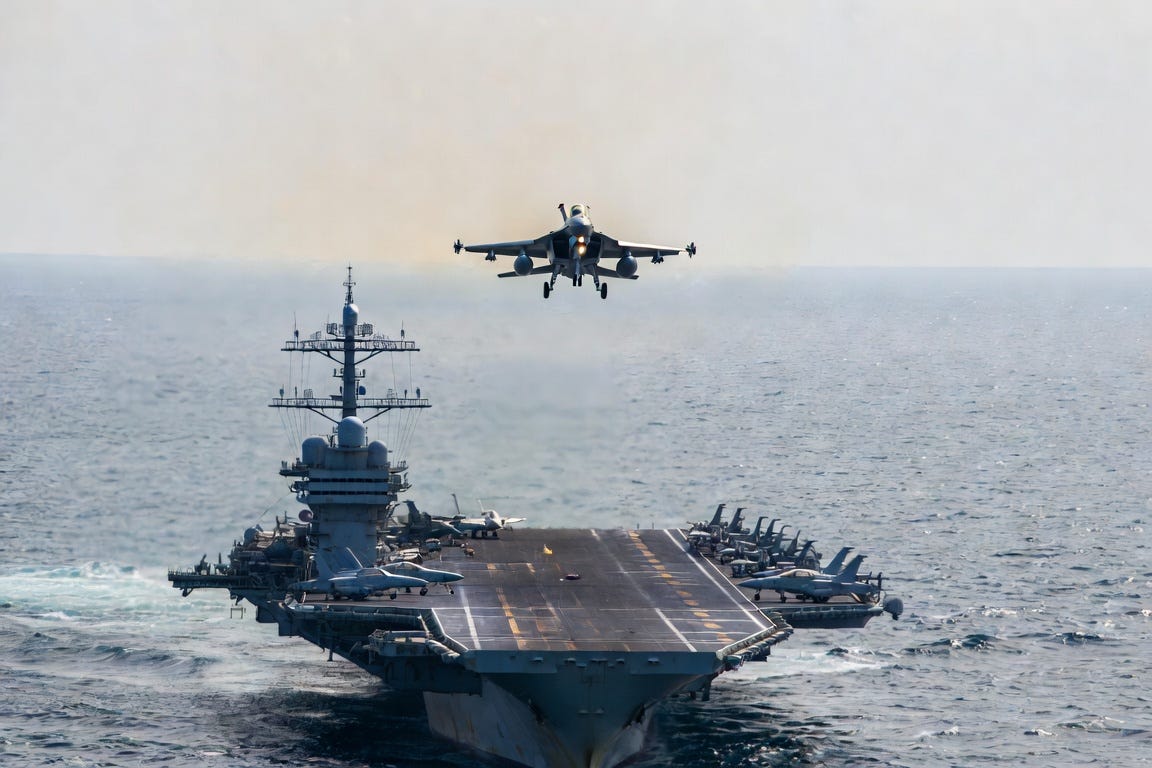
The US has initiated retaliatory strikes against Iran after the latter broke the ceasefire agreement
The Strait of Hormuz is the primary international thoroughfare for oil shipments, and this rapid return to violence has already put global shipping lines directly in the crosshairs, with multiple tankers reporting drone and projectile strikes. Whenever this vital trade choke point faces active warfare, the cost of moving goods skyrockets, creating an immediate risk of spikes in global energy prices and renewed pressure on household inflation.
This sudden escalation completely derails a recently signed memorandum of understanding between President Trump and Iranian President Masoud Pezeshkian, which was intended to lay the groundwork for a permanent peace deal. Despite recent high-level diplomatic talks led by Vice President JD Vance in Switzerland, both sides are now dug into a dangerous game of brinkmanship, with Vance warning that violence will be met with violence and Iran threatening an even broader military response if strikes continue. For investors and consumers alike, the sudden death of this ceasefire means preparing for a renewed wave of geopolitical instability and market turbulence.
Fast-Tracked into the Big Leagues: SpaceX Rockets Into the Nasdaq-100 to Spark an ETF Buying Frenzy
Elon Musk’s SpaceX is pulling off one of the fastest index entries in stock market history, with Nasdaq announcing that the newly public aerospace giant qualifies to join the elite Nasdaq-100. Thanks to a recently adopted fast-track inclusion framework designed for massive IPOs, SpaceX is bypassing the traditional multi-month waiting periods after only 15 trading days on the open market. Assuming the company clears final routine exchange requirements, index-tracking funds will be forced to start buying up shares immediately after the closing bell on July 6, ahead of its official debut before trading opens on July 7.
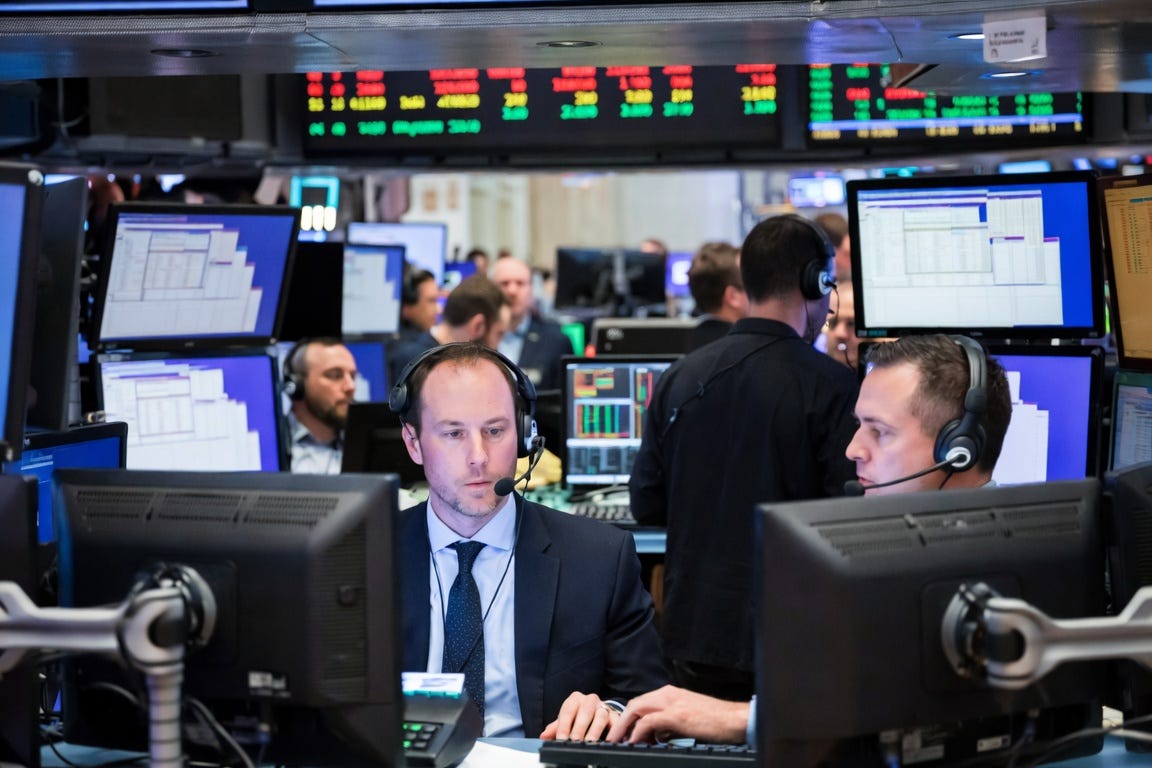
ETF Fund Managers will have to buy massive quantities of SpaceX stock to rebalance their funds and provide the same exposure to the Nasdaq-100
The “so what” for your personal portfolio comes down to massive, mandatory fund flows. More than $800 billion in assets actively tracks the tech-heavy Nasdaq-100—headlined by the hyper-popular Invesco QQQ Trust (QQQ). Because SpaceX’s publicly tradable float of shares is relatively small compared to its massive total market capitalization, passive index funds and exchange-traded funds will have to aggressively buy up a meaningful amount of shares just to mirror the index’s new composition, even with an expected initial weighting of less than 1%. This sudden, automated tidal wave of institutional demand is bound to create intense buying pressure for the stock.
However, everyday investors should brace for ripples across the broader market while keeping realistic expectations about where they can actually own the stock. To free up capital to buy SpaceX, these massive passive funds will simultaneously be forced to sell off micro-pieces of the other 100 companies currently in the index, potentially triggering short-term volatility across the tech sector. Meanwhile, if you are looking for SpaceX to pop up in your S&P 500 index funds, don’t hold your breath; S&P Dow Jones Indices flatly rejected a similar fast-track rule earlier this month, meaning SpaceX remains completely sidelined from the S&P 500 due to stricter, traditional profitability and seasoning requirements.
Devastation in Venezuela: Twin Earthquakes Leave Over 900 Dead as U.S. Mobilizes Aid
A catastrophic pair of earthquakes has shattered Venezuela, leaving 920 people dead, thousands injured, and more than 50,000 reported missing as the ground continues to rattle from weaker aftershocks. The second tremor—a massive 7.5 magnitude quake—marks the country’s most powerful seismic event in over a century, reducing entire communities in and around Caracas to cracked concrete and twisted metal. Frustration is boiling over as local volunteers dig through the rubble by hand due to a severe shortage of heavy machinery, while international rescue crews and emergency supplies are only just beginning to reach the hardest-hit coastal areas.
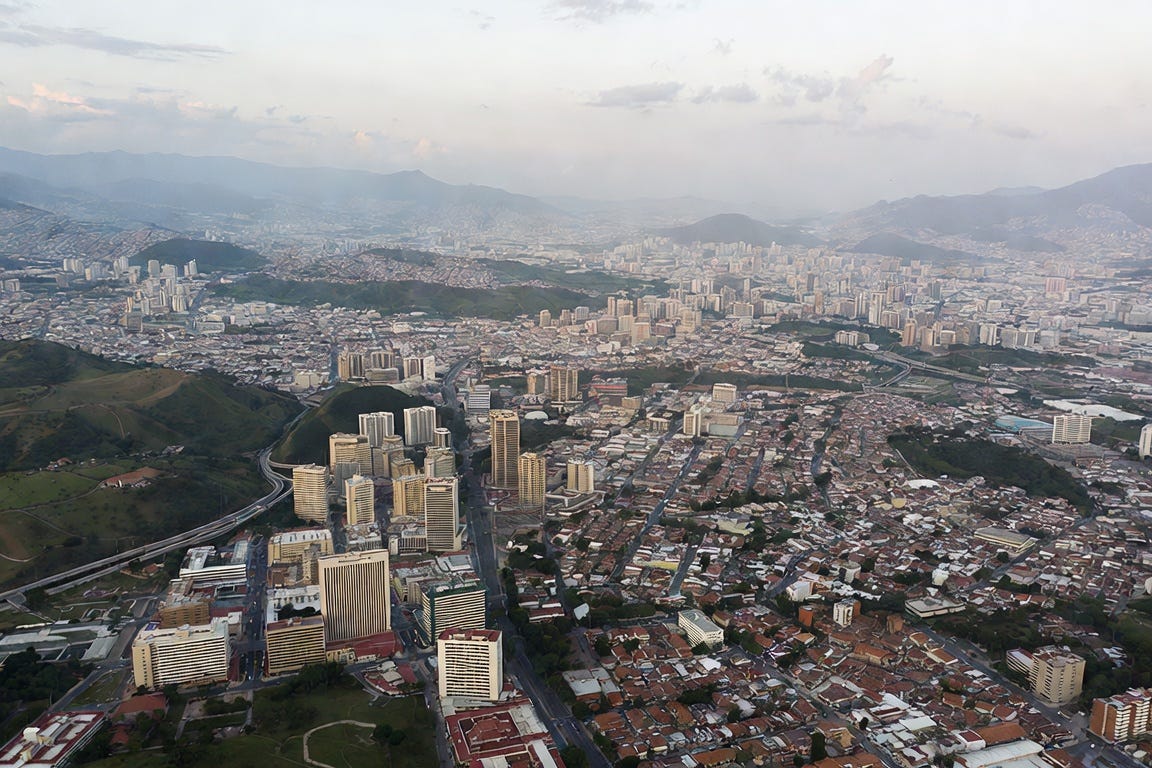
The capital of Venezuela, Caracas, was not as heavily affected by the earthquake as other areas like La Guaira were
The “so what” for the global economy and humanitarian tracking comes down to a massive $6.7 billion infrastructure crisis in an already deeply unstable nation. While Venezuela’s oil minister confirmed that the country’s critical oil production facilities avoided major damage and that fuel distribution remains secure, the widespread physical devastation has triggered localized looting and left millions of people vulnerable. In a major geopolitical pivot, the United States has pledged to mobilize $150 million in direct aid and temporarily ease sanctions, while sending military ships, helicopters, and disaster response teams to coordinate closely with the Venezuelan government.
This unprecedented natural disaster is serving as a high-stakes baptism by fire for Venezuela’s interim President, Delcy Rodriguez, who took power in January. Rodriguez is facing severe logistical hurdles and growing public anger over the uneven pace of the official relief deployment as she tries to solidify her authority. With the U.S. Geological Survey warning that the final death toll could ultimately top 10,000, the handling of this multi-billion-dollar recovery effort will carry immense political consequences for the fragile interim government’s survival.
Subscribe for free to receive our FREE Retirement Calculator and Guide
Follow along on social media for key updates:
Instagram: TheMarketDispatch
Disclaimer:
The information provided by The Market Dispatch is for educational and informational purposes only and should not be construed as financial, legal, or investment advice.
The Market Dispatch, its authors, and contributors are not financial advisors, brokers, or attorneys. Any opinions, analyses, or projections expressed are solely those of the authors and do not constitute specific recommendations for any individual.
Investing involves risk, including the potential loss of principal and capital. Past performance does not guarantee future results. Before making any financial decisions or investments, you should consult with a qualified financial advisor or other professional who understands your personal circumstances.
By reading this newsletter or using any related materials, you acknowledge and agree that The Market Dispatch and its team will not be held liable for any loss, damage, or expense incurred as a result of reliance on the information provided.
What stands out is how little of this is contained inside the original event.
Hormuz is a security event until it becomes an energy-price event. SpaceX joining the Nasdaq-100 is an index event until it becomes a passive-flow event. Venezuela’s earthquake is a natural disaster until it becomes a test of state capacity, logistics, aid diplomacy, and political legitimacy.
That is the modern risk pattern: shocks do not stay in their category. They move through the machinery connecting markets, infrastructure, institutions, and households.
As an economist and technology advisor, I frame this as a systems-risk event. Fragile ceasefires create uncertainty shocks. Markets, supply chains, energy flows, cyber defenses, logistics systems, and AI-driven trading models all react before institutions have fully interpreted the facts. That is the real lesson here. In a highly automated global economy, geopolitical instability is no longer absorbed slowly. It is transmitted almost instantly through prices, algorithms, insurance models, shipping decisions, and risk dashboards. The question for business leaders is not which side is right. It is whether their organizations are resilient enough for a world where political volatility becomes machine-amplified economic volatility.