

This past week, the Treasury Department announced a brand new bond-buying program intended to lower bond prices and bring some much needed peace and quiet to the bond market. However, this sent investors running for precious metals like gold, which are historically considered safe havens of value.

Gold has been seen as a store of value historically, regardless of what happens to the economy
Gold Rebounds Nearly 5% as Debt Worries and Dollar Weakness Revive Safe-Haven Demand
Gold is making a strong comeback, climbing nearly 5% this week after a steep second-quarter slump. Futures jumped to $4,647.70 while spot gold reached $4,588.08, putting the metal on track for a three-month high. The surge follows a sharp pull-back from record highs near $5,600 per ounce earlier this year, driven back into favor by bond market jitters, a softer U.S. dollar, and renewed anxieties over global fiscal stability as total U.S. government debt crossed the $40 trillion mark.
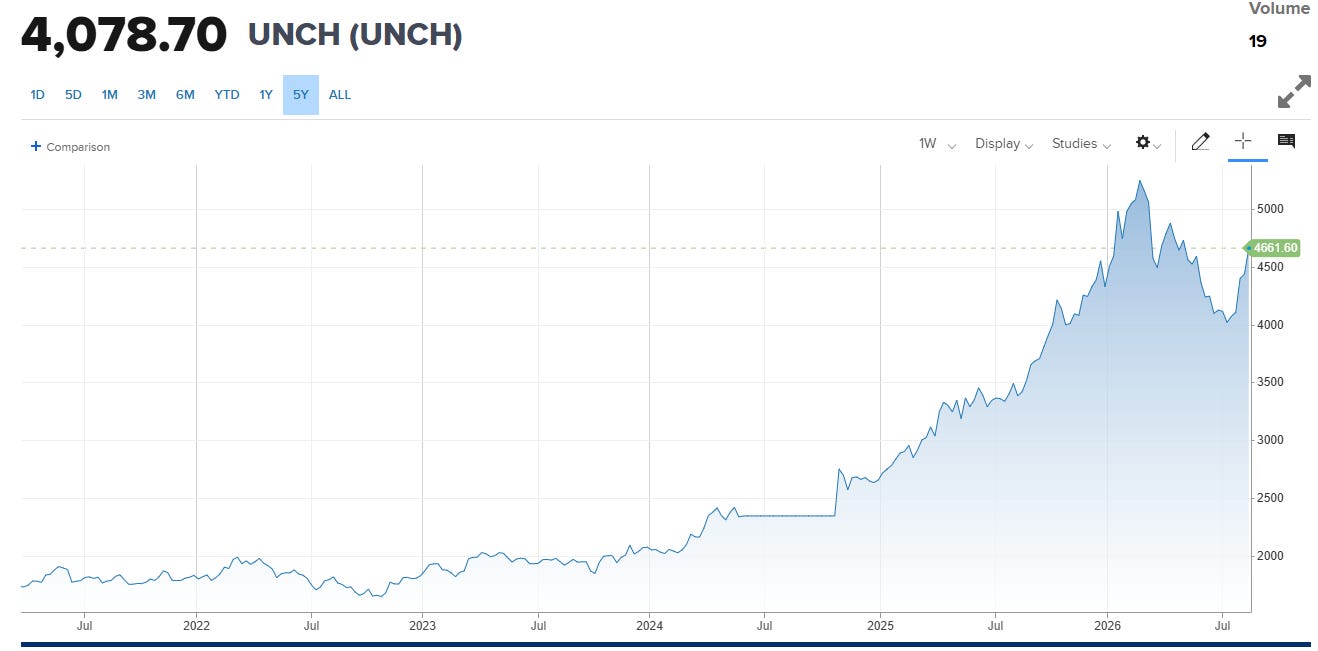
The price of Gold has been rising since the Covid pandemic, seeing rapid acceleration in 2025 and 2026 as central governments started purchasing massive amounts of this precious metal (Chart Source: CNBC)
This shift highlights growing systemic concerns about government spending and national debt. To help calm a selloff in longer-term Treasuries, the U.S. Treasury Department announced plans to double liquidity-support debt buybacks, a move that weakened the dollar and lowered bond yields. Meanwhile, major central banks around the world are increasingly swapping out U.S. Treasuries for physical gold, with 89% expecting global central bank gold reserves to expand over the coming year. Analysts at UBS now project gold could push back toward $5,400 over the next 12 months.
However, market analysts caution that short-term headwinds could cause near-term price swings. Rising energy costs linked to ongoing Middle East conflicts risk stoking inflation, which could keep central banks from cutting interest rates and push bond yields higher again—making non-yielding assets like gold less attractive. While structural supply constraints and record physical demand support the long-term outlook, experts warn that after a swift 10% rally off recent lows, prices may experience a brief pullback before resuming a sustained upward trend.
Subscribe for free to receive our FREE Retirement Calculator and Guide
White House Doubles Down on Iran Economic Sanctions as Hormuz Maritime Standoff Persists
The Trump administration is positioning aggressive economic sanctions as its primary leverage to resolve the ongoing conflict with Iran. U.S. Vice President JD Vance described applying financial strain as a “delicate dance,” asserting that Tehran is feeling significantly more pressure than Western economies. His remarks follow President Donald Trump’s declaration of a massive economic operation against Iran, threatening severe financial penalties on any foreign nations attempting to help Tehran evade sanctions.
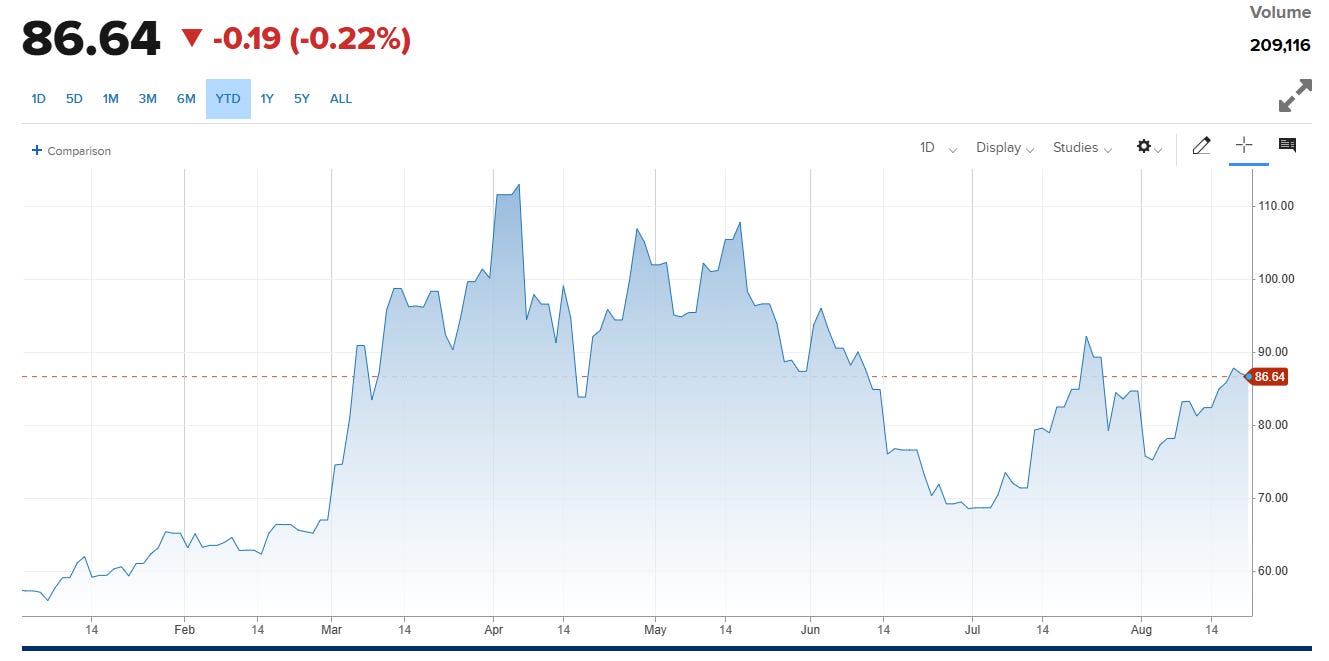
Gas prices have risen dramatically since the start of the Iran War (Chart Source: CNBC)
For American households and everyday consumers, the primary takeaway centers on energy costs and gas pump prices. Vice President Vance noted that while U.S. gas prices remain elevated, military support has helped facilitate critical oil and gas movement through the Strait of Hormuz to provide energy relief. However, trade intelligence data from Kpler reveals that maritime traffic through the vital shipping corridor remains severely depressed—with only 2 to 10 daily vessel transits recently, compared to a pre-war average of roughly 130 transits per day.
Looking ahead, the economic face-off threatens to keep global energy markets volatile while compounding financial pressure on Iran. Iranian officials have called on regional partners to counteract sanctions, but the U.S. administration insists it will maintain strict maritime enforcement and financial isolation until Tehran ceases attacks on commercial shipping. How effectively naval escorts and sanctions balance global energy supply will directly determine whether energy bills and pump prices ease or face renewed upward pressure.
Subscribe for free to receive our FREE Retirement Calculator and Guide
Trump Calls AI Data Centers an Economic Imperative for States as Communities Weigh Environmental Impact
President Donald Trump is urging state and local leaders to embrace AI data center construction, highlighting significant job creation, tax revenue, and technological breakthroughs. Speaking at a White House meeting with tech and crypto executives, Trump argued that governors and mayors who reject data centers risk falling behind. Pointing to projects like the $500 billion Stargate private-sector initiative—which already has a flagship facility partially operational in Abilene, TX —the administration is promoting light-touch regulations and expedited permitting to maintain American leadership in AI development.
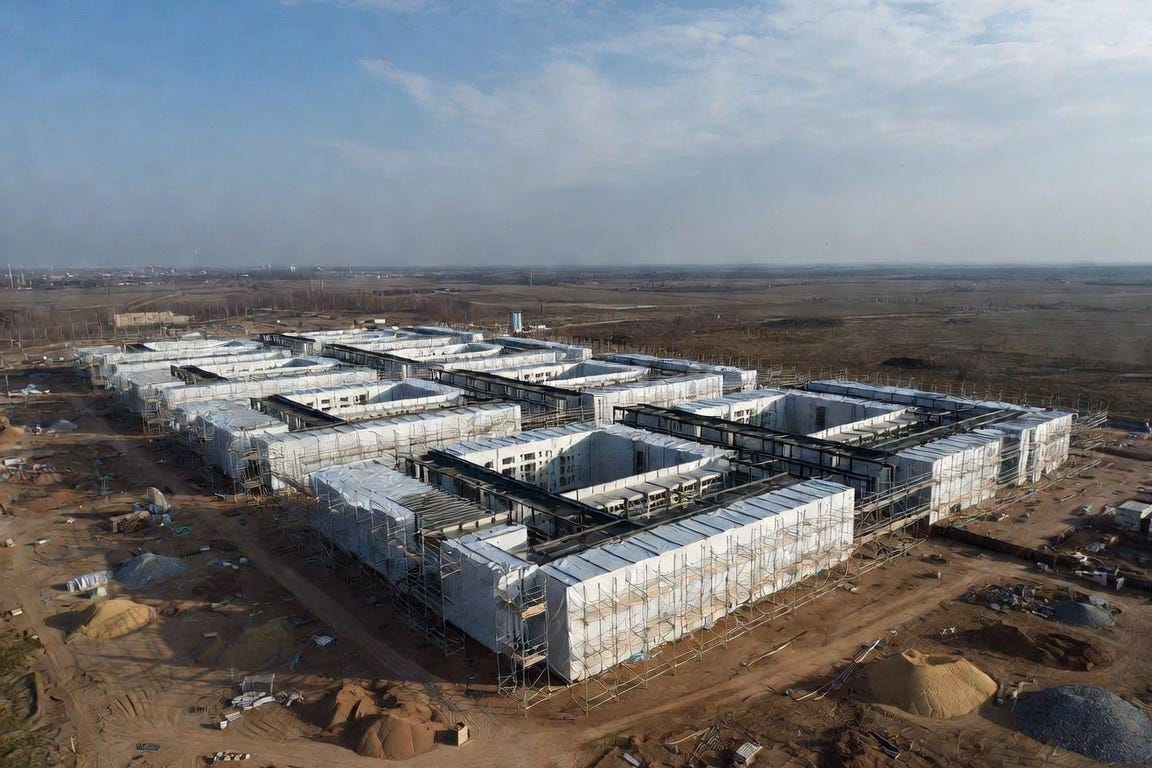
The AI Data Center Buildout is leading to tremendous economic benefits for tech companies and those that play a role in building these facilities.
For local taxpayers and homeowners, the rapid expansion of AI infrastructure brings both economic incentives and potential utility pressures. While data center developments generate substantial construction jobs, municipal tax revenue, and potential medical innovations, a May Gallup poll showed a majority of Americans oppose local data center construction over concerns regarding heavy electricity, water, and environmental demands. To prevent local utility rate hikes, federal policy is encouraging developers to secure independent power sources rather than shifting grid-expansion costs onto residential utility bills.
Looking ahead, the balance between fast-tracking national AI infrastructure and mitigating community impact will remain a key debate for local governments. With an executive order issued in July aimed at streamlining permits, data center projects are set to accelerate across the country. How local communities navigate water usage, grid capacity, and federal incentives will determine whether AI infrastructure becomes a widespread local financial engine or a point of friction over utility costs and natural resources.
Subscribe for free to receive our FREE Retirement Calculator and Guide
Follow along on social media for key updates:
Instagram: TheMarketDispatch
Disclaimer:
The information provided by The Market Dispatch is for educational and informational purposes only and should not be construed as financial, legal, or investment advice.
The Market Dispatch, its authors, and contributors are not financial advisors, brokers, or attorneys. Any opinions, analyses, or projections expressed are solely those of the authors and do not constitute specific recommendations for any individual.
Investing involves risk, including the potential loss of principal and capital. Past performance does not guarantee future results. Before making any financial decisions or investments, you should consult with a qualified financial advisor or other professional who understands your personal circumstances.
By reading this newsletter or using any related materials, you acknowledge and agree that The Market Dispatch and its team will not be held liable for any loss, damage, or expense incurred as a result of reliance on the information provided.
Interesting timing on this. I was just running my Treasury polynomial model on the latest data, and it is showing the 2Y sitting almost exactly at a projected local yield maximum while the 5Y and 10Y polynomial slopes have already turned negative. That obviously doesn't prove the gold thesis, but it makes the rates side of your argument especially interesting. I think the real wildcard may be the one you identify here: oil. If geopolitical pressure keeps energy and inflation elevated, gold could end up caught between structural demand on one side and renewed rate pressure on the other.