

Wall Street is officially looking past the headlines. Despite ships being seized in the Strait of Hormuz and oil prices crossing the $100 mark, the S&P 500 and Nasdaq just hit all-time highs this week. We’re diving into the "disconnect" between record profits and global tension, including a potential "regime change" at the Fed that could rewrite how your inflation is measured. Plus, we break down the government's high-stakes gamble to keep Spirit Airlines in the sky and what it means for the future of budget travel. It's a week of big numbers and even bigger interventions.
Subscribe for free to receive our FREE Retirement Calculator and Guide
Wall Street’s Record Run: Looking Past the Blockade
The stock market is hitting new heights even as the situation in the Middle East remains messy. On Wednesday, the S&P 500 and Nasdaq both closed at record levels. The big catalyst? President Trump officially extended the U.S. ceasefire with Iran, giving Tehran’s “fractured” government more time to pull together a unified peace proposal.
But don’t mistake the ceasefire for total calm. While the missiles aren’t flying, the Iranian navy is still playing hardball, seizing two container ships in the Strait of Hormuz this week. That move pushed oil prices back above $100 a barrel, keeping the pressure on global energy supplies and transit.

There is increased pressure on Iran to comply with International Law and reopen the Strait of Hormuz to normal traffic
So why are stocks soaring? It’s all about the earnings. Over 80% of S&P 500 companies have beaten expectations so far, with big names like Boeing and GE Vernova leading the charge. Investors seem to be betting that strong American business growth can outrun the geopolitical drama for now.
The bottom line: The market has officially erased its war losses, but some experts warn the risk is now on the “downside” after such a massive run. With the Strait still essentially closed and diplomatic talks currently on a pause, the ride might stay bumpy even at these record highs.
Subscribe for free to receive our FREE Retirement Calculator and Guide
Inflation’s New Math: Be Careful What You Wish For
Kevin Warsh, the nominee for Fed chair, wants to shake up how we track inflation. Instead of the usual “core PCE” that just ignores food and energy, he’s pushing for “trimmed” gauges. Basically, he wants to throw out any extreme price jumps—whether it’s a sudden surge in the price of beef or a war-related oil shock—to find the “true” underlying rate.
Right now, this new math makes the economy look great. Under his preferred method, inflation sits at about 2.8%, compared to the 3% the Fed currently reports. Warsh is using these favorable numbers to argue that the inflation fight is going well, which usually signals that interest rates could start coming down sooner rather than later.

The Fed looks at many different data points to calculate the real rate of inflation
But there’s a catch. Experts at Bank of America warn that this move could backfire. If food and energy prices rise just enough to stay in the “trimmed” basket, inflation could actually look higher under Warsh’s system than it does now. If he ties the Fed’s credibility to this new formula, he might find himself forced to keep rates high—the exact opposite of what the White House is hoping for.
Uncle Sam’s Airline? The $500 Million Spirit Rescue
Spirit Airlines might have found its “Plan B.” The Trump administration is in advanced talks to provide a $500 million lifeline to the struggling budget carrier, which was facing an “imminent liquidation.” If the deal goes through, the government could walk away with a massive 90% ownership stake in the airline.
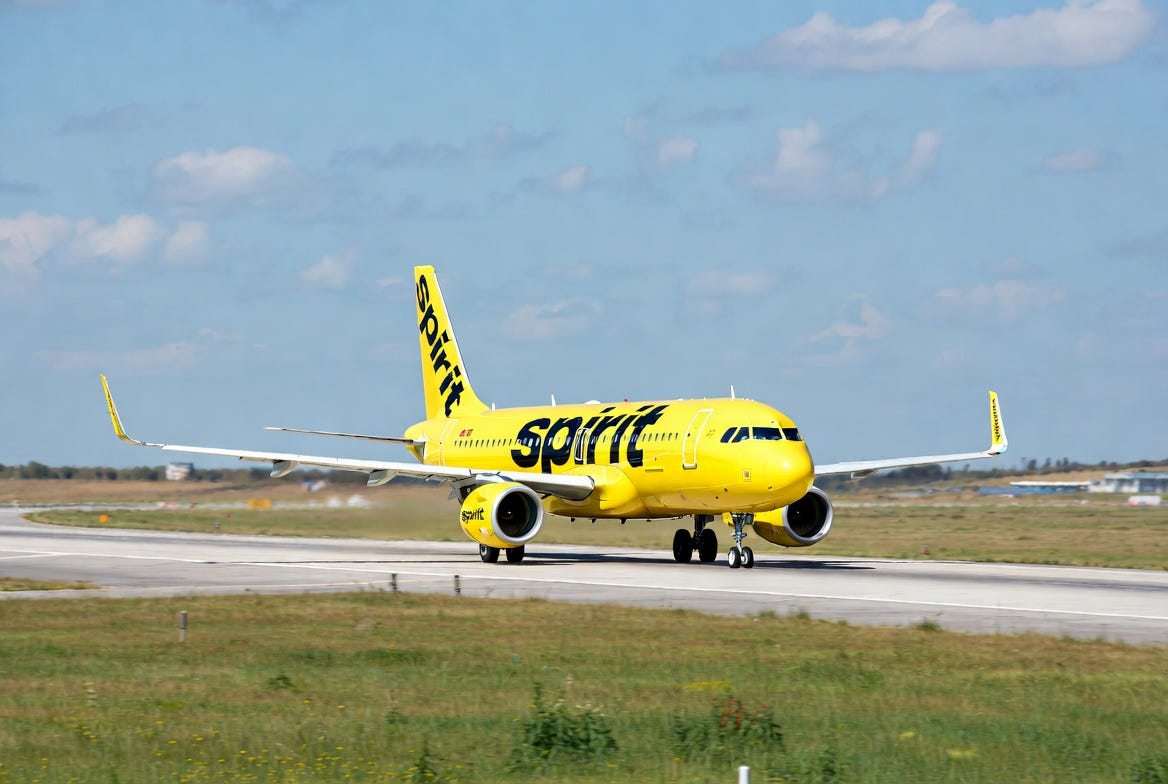
Spirit Airlines has been struggling since their failed merger with JetBlue
The goal is to save 14,000 jobs and keep low-cost travel options on the map. Spirit has been hammered by fuel costs—which have nearly doubled in some areas since the conflict in Iran began—and the fallout from its failed merger with JetBlue. While the White House blames the previous administration for blocking that merger, some top officials and rival CEOs are calling the bailout a “terrible idea.”
What does this mean for your next flight? For now, it’s business as usual: your tickets and miles are still good. But if the government becomes the majority owner, Spirit will become a major test case for whether federal intervention can fix a failing budget model during a global energy crisis.
Subscribe for free to receive our FREE Retirement Calculator and Guide
Disclaimer:
The information provided by The Market Dispatch is for educational and informational purposes only and should not be construed as financial, legal, or investment advice.
The Market Dispatch, its authors, and contributors are not financial advisors, brokers, or attorneys. Any opinions, analyses, or projections expressed are solely those of the authors and do not constitute specific recommendations for any individual.
Investing involves risk, including the potential loss of principal and capital. Past performance does not guarantee future results. Before making any financial decisions or investments, you should consult with a qualified financial advisor or other professional who understands your personal circumstances.
By reading this newsletter or using any related materials, you acknowledge and agree that The Market Dispatch and its team will not be held liable for any loss, damage, or expense incurred as a result of reliance on the information provided.
Such a good read!