

For decades, the narrative surrounding robotics was dominated by science fiction and abstract speculation. Today, that conversation has shifted directly into corporate balance sheets, quarterly earnings calls, and labor market reports. As advancements in artificial intelligence, humanoid robotics, and industrial automation accelerate, market participants and workers alike are asking a fundamental question: Will robots take the jobs, or will they boost the stocks?
Subscribe for free to receive our FREE Retirement Calculator and Guide
The answer is not a simple binary. The future of automation in the economy represents one of the most significant structural shifts in modern capitalism. It sits at the intersection of microeconomic corporate efficiency and macroeconomic labor dynamics. While workers worry about displacement and structural unemployment, institutional investors and retail traders view automation as the primary engine for margin expansion, productivity gains, and long-term equity performance in a maturing business cycle.
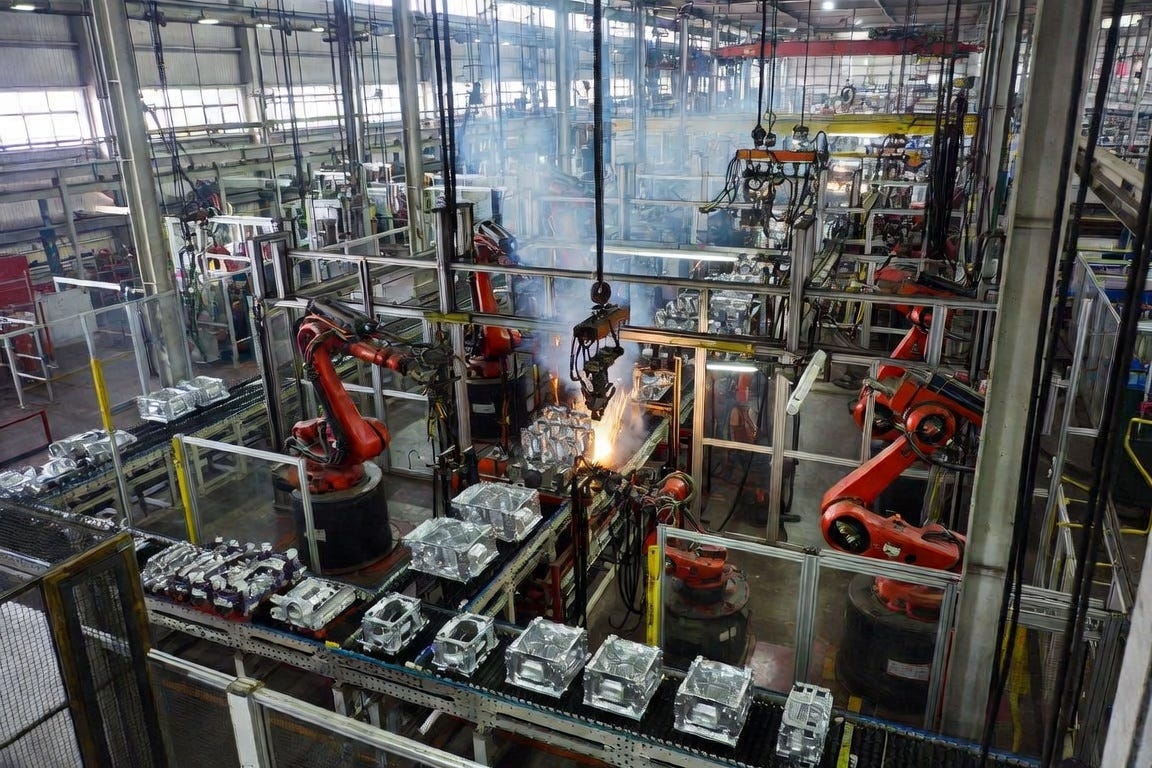
Automating assembly lines has generated tremendous profits in manufacturing as tedious and repetitive tasks use machines instead of workers
To understand where the global economy is headed, we must evaluate both sides of this coin. Automation creates a complex economic paradox: it disrupts traditional employment models while simultaneously generating unprecedented corporate value and equity returns.
The Dislocation Dilemma: Rethinking the Future of Labor
The fear that technology will eliminate human labor is far from new. From the Luddites in 19th-century Britain to the introduction of personal computers in the late 20th century, major technological leaps have consistently triggered anxieties about mass unemployment. Historically, technology has transformed the nature of work rather than eliminating it entirely. However, the current wave of robotics and autonomous systems operates on a different scale and velocity.
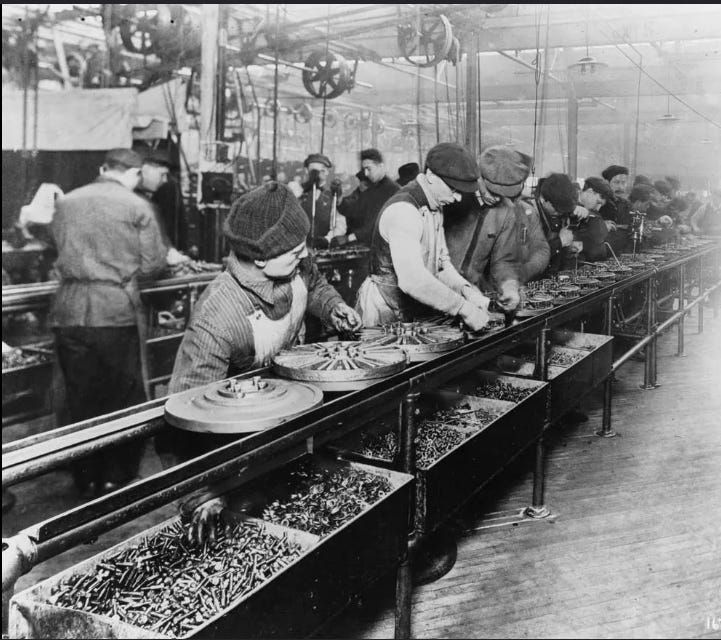
In 1913 Ford introduced the newly designed “Assembly Line'“ in his factory. His workers absolutely hated it (Source: Smithsonian Magazine)
Unlike early industrial automation, which primarily replaced repetitive physical labor in manufacturing plants, modern systems leverage sophisticated machine learning algorithms and advanced sensory hardware. This allows them to execute complex, multi-step physical and cognitive tasks. Consequently, job displacement is no longer confined to assembly lines; it extends into logistics, hospitality, routine back-office operations, customer service, and specialized technical fields.
Task Replacement vs. Job Elimination: Modern economic research suggests that automation rarely destroys entire professions overnight. Instead, it breaks down jobs into specific tasks. When robots or automated software take over low-value, repetitive tasks, human workers are freed to focus on higher-value activities requiring judgment, creative problem-solving, and interpersonal intelligence.
The Transition Gap: While new job categories inevitably emerge—such as robotics maintenance, data curation, and systems architecture—the transition is rarely seamless. A friction gap exists between the speed at which traditional positions are automated and the time required for the labor force to acquire new technical skill sets.
Wage Polarization: Automation tends to increase demand for highly skilled workers who manage or build technical infrastructure, driving up their compensation. Conversely, it puts downward wage pressure on mid-skilled and routine roles, potentially widening income inequality and altering consumer spending patterns.
Subscribe for free to receive our FREE Retirement Calculator and Guide
Corporate Margins and Equity Valuations: The Investor Case
While the labor market navigates structural adjustments, the capital markets present a markedly different narrative. From an equity valuation perspective, the integration of robotics and automation represents a compelling thesis for long-term value creation.
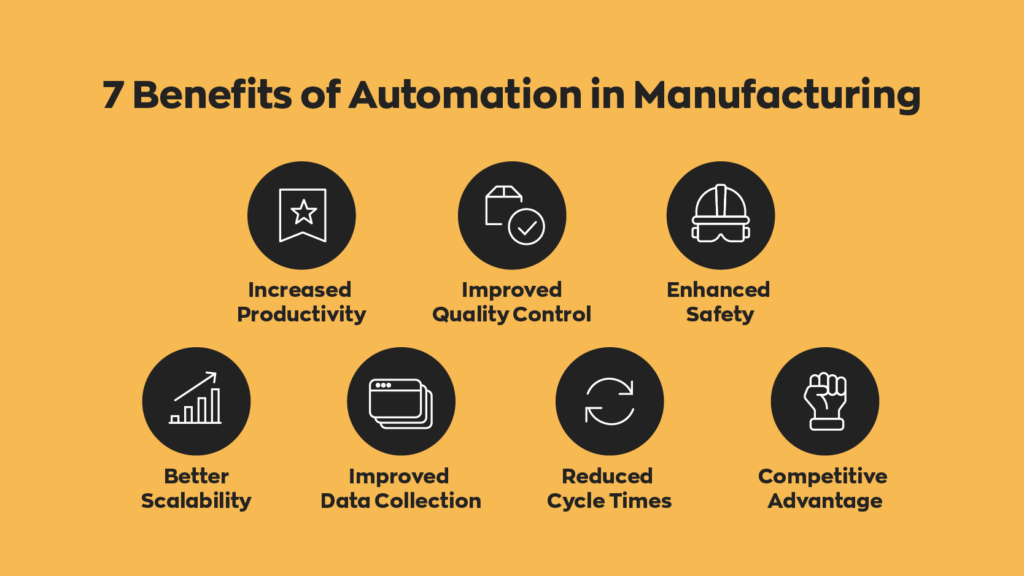
Automation has yielded great profits to investors due to all the benefits it generates (Source: inFlow Inventory)
In an environment characterized by persistent wage inflation, aging demographics across major developed economies, and supply chain fragility, corporate executives are under immense pressure to protect operating margins. Robotics offers a clear, predictable capital expenditure (CapEx) pathway to reduce ongoing operational expenses (OpEx).
Margin Expansion and EPS Growth: Human labor represents a variable cost subject to overtime, benefits, turnover expenses, and wage increases. Automated infrastructure converts variable labor expense into fixed capital assets that amortize over time. Once the upfront capital investment is recovered, operational costs plummet, resulting in expanding operating margins and direct tailwinds to earnings per share (EPS).
Supply Chain Resilience and Throughput: Automated warehouses, robotic sorting facilities, and continuous manufacturing systems run around the clock with negligible error rates and minimal downtime. This enhanced operational reliability increases revenue velocity and asset turnover ratios, which directly improves return on invested capital (ROIC).
Ecosystem Beneficiaries: The financial benefits extend beyond the companies deploying automation. The firms manufacturing robotics hardware, designing industrial sensors, and developing underlying automation software stand to capture significant enterprise value. Investors positioning capital in these bottleneck infrastructure enablers often realize substantial outperformance over broader market benchmarks.
Subscribe for free to receive our FREE Retirement Calculator and Guide
Macroeconomic Implications: Productivity, Inflation, and GDP
On a broader scale, the future of automation in the economy will be defined by its impact on productivity metrics and inflationary pressures. Total factor productivity growth has remained relatively subdued across many advanced economies over the past decade. Widespread adoption of advanced robotics may serve as the catalyst needed to break out of this low-productivity regime.
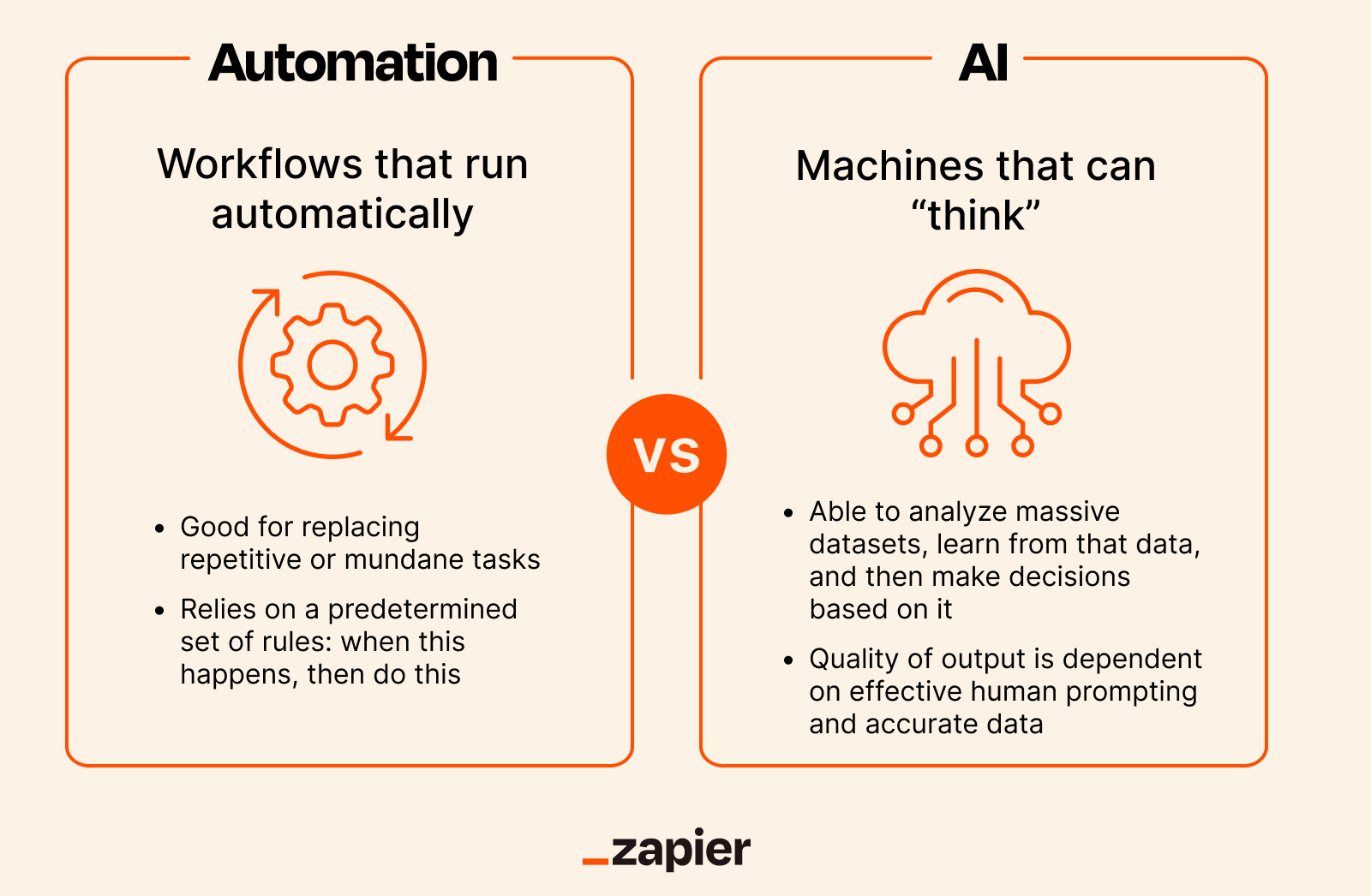
Nowadays we are encountering more and more companies that are deploying AI both to solve tasks and also to automate workflows (Source: Zapier)
By driving down production costs, automation acts as a long-term disinflationary force. Cheaper production translates to lower prices for goods and services, which preserves purchasing power for consumers over time. Elevated productivity also expands real gross domestic product (GDP) without overheating labor markets or fueling price spirals.
However, this macroeconomic shift creates a delicate balance. Consumer spending accounts for a vast majority of economic activity in developed nations. If aggressive automation severely suppresses labor income or concentrates economic gains strictly among capital owners, total consumer demand could soften, creating a headwind for the broader economy. Therefore, sustainable economic expansion requires that efficiency gains ultimately yield broader economic participation and real income growth.
Subscribe for free to receive our FREE Retirement Calculator and Guide
Conclusion: The Balanced Economic Outlook
So, will robots take the jobs or boost the stocks? The historical reality suggests that both outcomes will unfold simultaneously, though across different horizons and asset classes.
In the short to medium term, labor markets will experience localized friction, requiring workforce retraining and strategic policy adaptation. Certain job categories will decline, while new specialized sectors emerge. Simultaneously, capital markets will reward companies that leverage robotics to improve efficiency, expand margins, and increase profitability.
In the long run, the integration of robotics is not a zero-sum game between labor and capital. Rather, it represents the next step in technological evolution. By automating routine labor, the global economy frees human capital for complex innovation while building a more resilient, productive, and economically durable foundation. For forward-looking investors and adaptable professionals alike, navigating the future of automation in the economy requires recognizing both the immediate labor dislocations and the structural, long-term market opportunities.
Subscribe for free to receive our FREE Retirement Calculator and Guide
Follow along on social media for key updates:
Instagram: TheMarketDispatch
Disclaimer:
The information provided by The Market Dispatch is for educational and informational purposes only and should not be construed as financial, legal, or investment advice.
The Market Dispatch, its authors, and contributors are not financial advisors, brokers, or attorneys. Any opinions, analyses, or projections expressed are solely those of the authors and do not constitute specific recommendations for any individual.
Investing involves risk, including the potential loss of principal and capital. Past performance does not guarantee future results. Before making any financial decisions or investments, you should consult with a qualified financial advisor or other professional who understands your personal circumstances.
By reading this newsletter or using any related materials, you acknowledge and agree that The Market Dispatch and its team will not be held liable for any loss, damage, or expense incurred as a result of reliance on the information provided.