

The historic artificial intelligence infrastructure build-out has rapidly transformed from a high-tech corporate capital investment cycle into a fundamental pillar of the broader American economy. From driving the stock market’s record-setting rallies to placing unprecedented demands on municipal power grids and driving U.S. Treasury yields upward, the economic footprint of artificial intelligence is now vast, powerful, and deeply interconnected. However, as capital expenditure commitments skyrocket toward truly astronomical figures, Wall Street analysts, macro strategists, and institutional risk managers are beginning to confront a sobering structural question: Has the debt-fueled expansion of artificial intelligence hyperscalers reached a threshold where it is effectively becoming “too big to fail”?
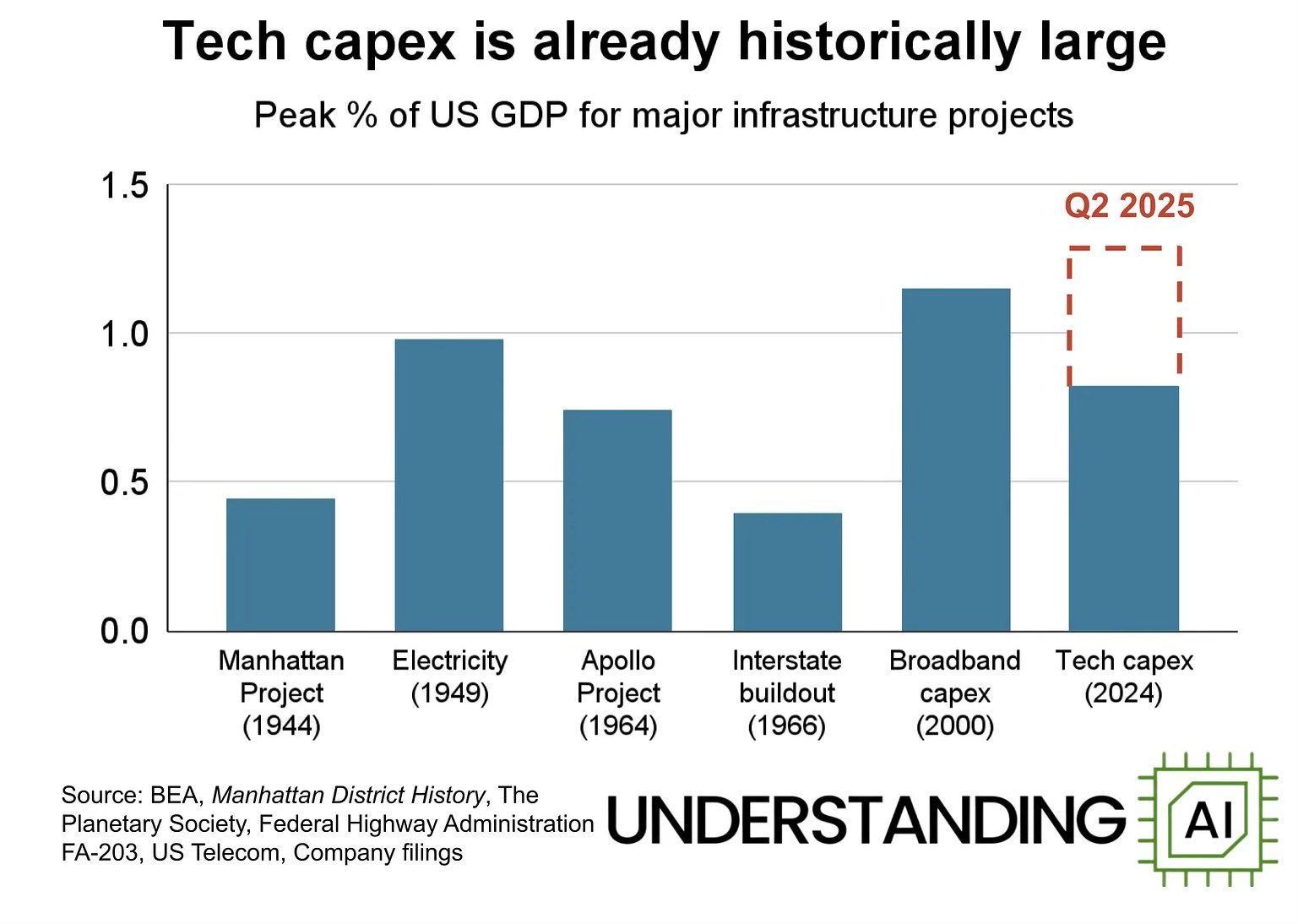
The sheer magnitude of physical and financial capital currently directed toward AI infrastructure is staggering. Major technology hyperscalers are projected to spend an extraordinary $1 trillion in capital expenditures on artificial intelligence in 2027 alone, with similar annual outlays expected to persist straight through 2030. To put these massive figures into proper perspective, capital market participants frequently draw direct parallels between this digital build-out and the construction of the U.S. Interstate Highway System in the 1950s.
That historic mid-century legislative endeavor substantially expanded the nation’s transportation backbone, unleashing decades of enhanced labor productivity, higher real incomes, and seamless regional trade across once-isolated economies. Proponents forcefully argue that artificial intelligence infrastructure represents the modern digital equivalent of that mid-century infrastructure push—a systemic national network whose ultimate operational success is critical, and whose financial failure would carry catastrophic economic ramifications.
