

The “grace period” for the global economy ended this weekend. As the conflict involving Iran escalates, the energy market has shifted from “cautious” to “critical.” For the first time since 2022, we are witnessing a geopolitical supply shock that threatens to rewrite the 2026 economic forecast.
Subscribe for free to receive our FREE Retirement Calculator and Guide
The Choke Point: Why the Strait of Hormuz Matters
The primary driver of the current spike isn’t just the war itself—it’s the geography. The Strait of Hormuz is the world’s most important oil artery.
The Volume: Roughly 20% of the world’s total petroleum liquids pass through this narrow seaway every day.
The Reality: With reports of maritime traffic dropping by 80% and insurance companies pulling “war risk” coverage, that oil is effectively stranded.
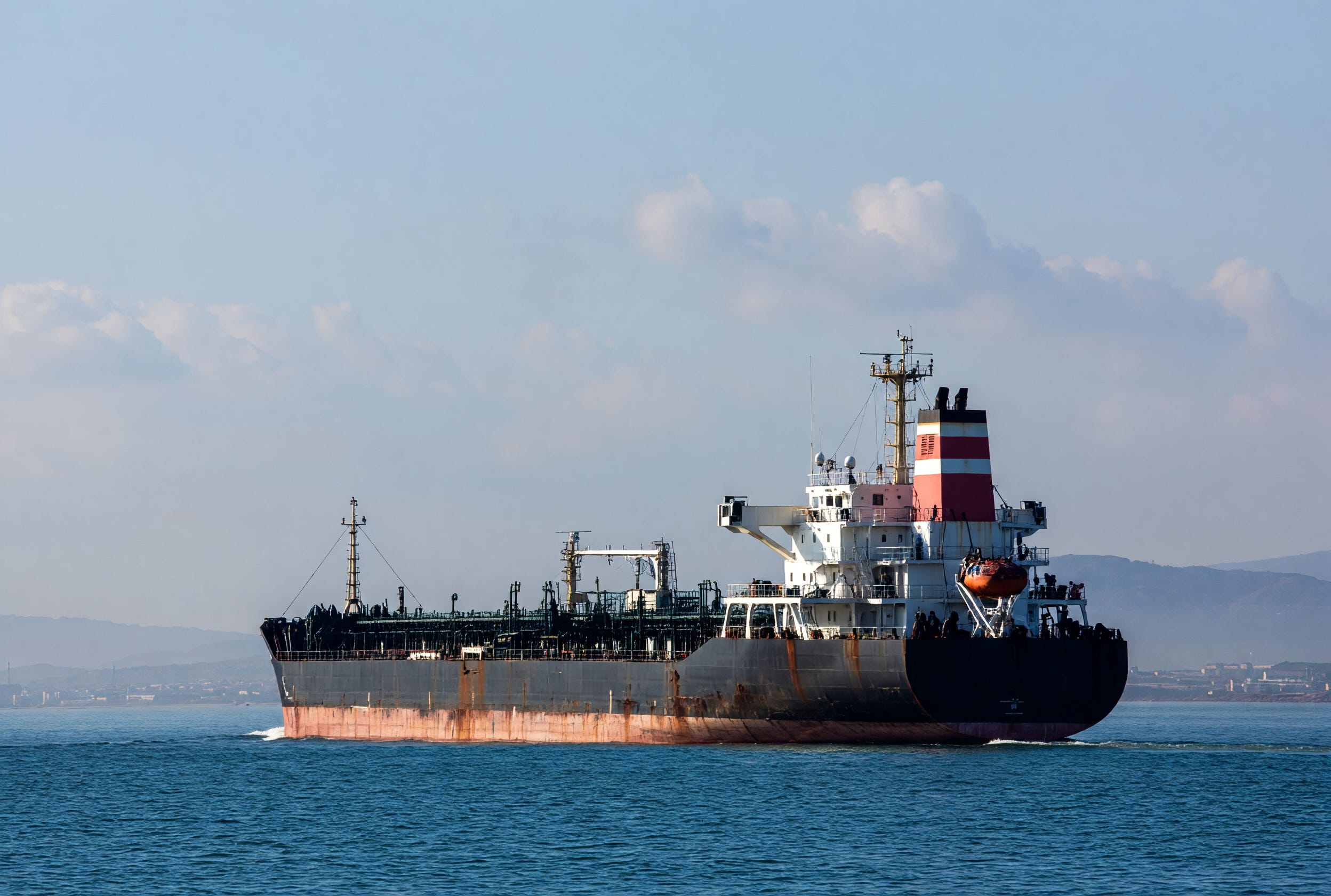
20% of the world’s oil is transported through the Strait of Hormuz near Iran
When 20 million barrels of oil per day are suddenly put at risk, the market doesn’t wait for a shortage to happen—it prices it in immediately. This is why we saw Brent crude surge toward $120 per barrel in early Monday trading.
Subscribe for free to receive our FREE Retirement Calculator and Guide
The “Tax” on Main Street
Rising oil prices act as a “stealth tax” on every household. While Wall Street watches the tickers, Main Street feels it in three distinct ways:
The Pump: In cities like Dallas, regular gas prices have jumped over 30 cents in a single week, with averages now pushing well past $3.30.
Supply Chain Creep: Everything you buy—from groceries to furniture—must be shipped. When diesel prices soar, those costs are passed directly to the consumer.
The Fed’s Dilemma: Just as the Federal Reserve was considering rate cuts for 2026, this “energy inflation” may force them to keep rates higher for longer to combat rising costs.
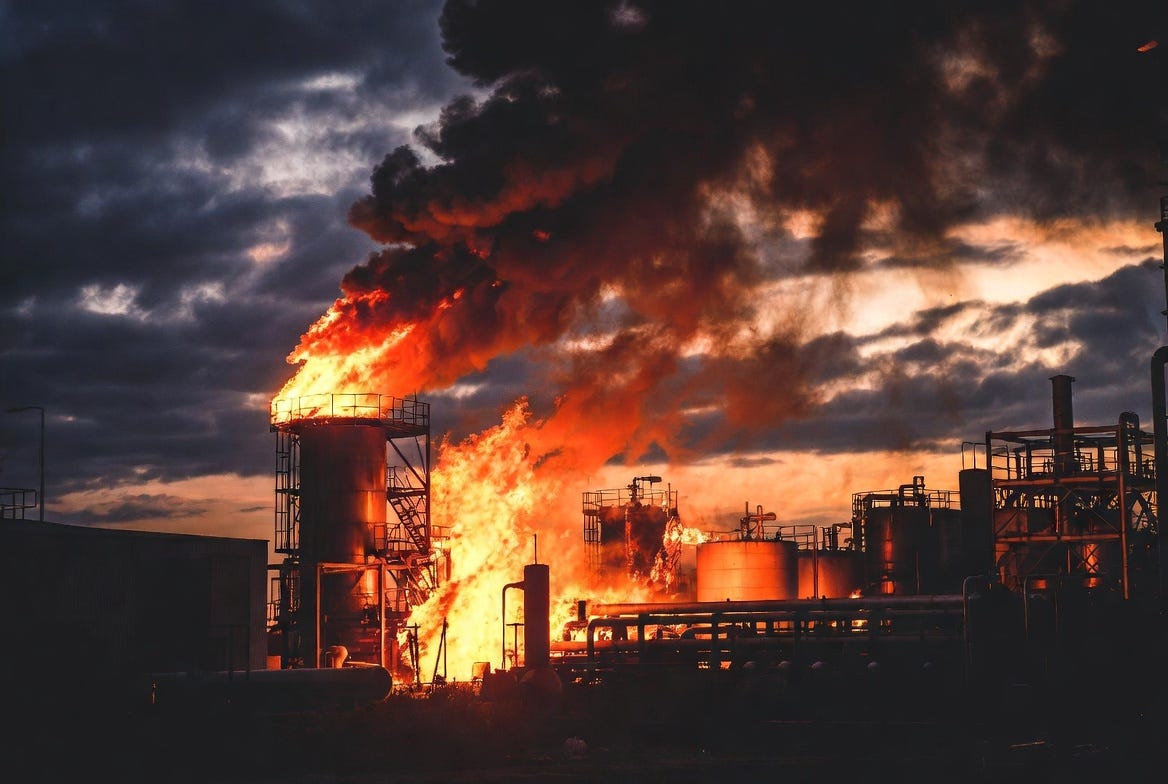
Attacks on energy infrastructure such as oil refineries are also affecting gas prices
What Happens Next?
If the disruption to the Strait remains a “reactionary pause,” we could see prices stabilize. However, if the conflict becomes a prolonged blockade, analysts warn that $150 oil is no longer a “doomsday” scenario—it’s a mathematical probability.
For the average investor, the 2026 playbook has changed overnight. Protecting your purchasing power is no longer just a strategy; it’s a necessity.
Subscribe for free to receive our FREE Retirement Calculator and Guide
Disclaimer:
The information provided by The Market Dispatch is for educational and informational purposes only and should not be construed as financial, legal, or investment advice.
The Market Dispatch, its authors, and contributors are not financial advisors, brokers, or attorneys. Any opinions, analyses, or projections expressed are solely those of the authors and do not constitute specific recommendations for any individual.
Investing involves risk, including the potential loss of principal and capital. Past performance does not guarantee future results. Before making any financial decisions or investments, you should consult with a qualified financial advisor or other professional who understands your personal circumstances.
By reading this newsletter or using any related materials, you acknowledge and agree that The Market Dispatch and its team will not be held liable for any loss, damage, or expense incurred as a result of reliance on the information provided.
Excellent analysis. It confirms that the closure of the Strait of Hormuz is no longer a hypothetical scenario, but a real drain on our purchasing power. The supply shock will affect every consumer good, far beyond gasoline, leaving the Fed with no room to maneuver on interest rates for 2026. Protecting capital is now a necessity, not a choice.
The Trump Admin. is doing a phenomenal job of controlling the narrative. It is awe inspiring how resilient the market has throughout the week.