

The geopolitical floor just dropped out. With Iran revealing it’s sitting on enough uranium for 11 nuclear bombs and shipping giants officially abandoning the world’s most vital oil choke point, we’ve entered a high-stakes new chapter for the global economy. While “Operation Epic Fury” targets the regime’s leadership and cargo ships reroute thousands of miles around Africa, the headlines feel like a repeat of 1970s-style chaos. However, beneath the surface, market experts are seeing a different story for your long-term portfolio. This week, we’re breaking down the fallout from the latest strikes and what a massive maritime “roadblock” actually means for your wallet.
Iran’s Nuclear Capabilities Lead to “Operation Epic Fury”
Iran is officially knocking on the nuclear door. President Trump’s Middle East envoy, Steve Witkoff, revealed that Tehran has amassed enough highly enriched uranium to build 11 nuclear bombs. Even more alarming? They could reportedly upgrade that material to weapons-grade in as little as one week.
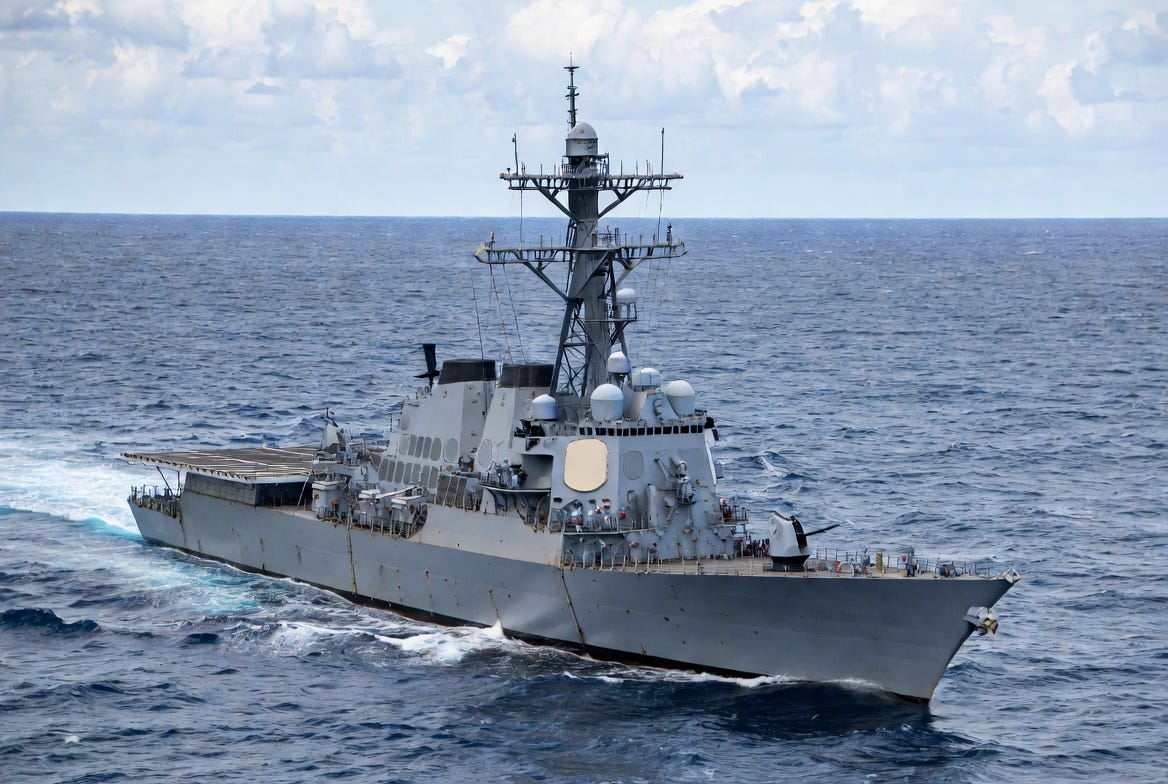
The US Navy undertook a massive mobilization leading to “Operation Epic Fury”
During recent talks, Witkoff says Iranian negotiators weren’t just defiant—they were “proud.” They used their nuclear stockpile as leverage, flatly rejecting a U.S. offer to pay for their energy fuel in exchange for a 10-year freeze on enrichment. For the White House, this refusal was the ultimate proof that Tehran has no intention of dismantling its program.
This diplomatic dead-end is what triggered “Operation Epic Fury,” the high-stakes mission targeting senior Iranian leaders. By taking out key figures, the administration is signaling that Iran’s nuclear “red line” has been crossed. Moving forward, the strategy has clearly shifted from negotiation tables to targeted action to prevent a nuclear-armed regime.
Subscribe for free to receive our FREE Retirement Calculator and Guide
Investment Expert Steve Eisman on How “Operation Epic Fury” Affects Stocks
Steve Eisman, the legendary investor from “The Big Short,” has a clear message for anyone panicking over the U.S.-Iran conflict: ignore the noise. Despite the market turmoil following the strike on Iran’s supreme leader, Eisman says he hasn’t changed a single trade. He views the current situation as a long-term “positive” for the markets, even with the temporary spike in oil prices.

Historically, stocks have continued their performance even through periods of global instability like wars
History is on his side. Data going back to 1980 shows that geopolitical shocks rarely leave a lasting dent in the S&P 500, with most stocks recovering within a month. While the current bull market was already showing signs of fatigue, Eisman is doubling down on his support for the administration’s actions against what he calls a “death cult” regime.
What does this mean for your money? Don’t let the headlines drive your hand. This conflict may take longer to resolve than a typical news cycle, but the “Eisman Playbook” suggests that staying the course is the winning move. If history repeats itself, prices will likely be back to normal in two months, leaving the long-term market trajectory unscathed.
Subscribe for free to receive our FREE Retirement Calculator and Guide
Are Supply Chain Problems Coming Back?
Global shipping just hit a massive roadblock. Following U.S. and Israeli strikes on Iran, shipping giants like Maersk and MSC have suspended all operations through the Strait of Hormuz. This isn’t just a local issue—this narrow waterway handles 20% of the world’s oil. With the “tap” essentially being bypassed, vessels are now being rerouted thousands of miles around the southern tip of Africa.
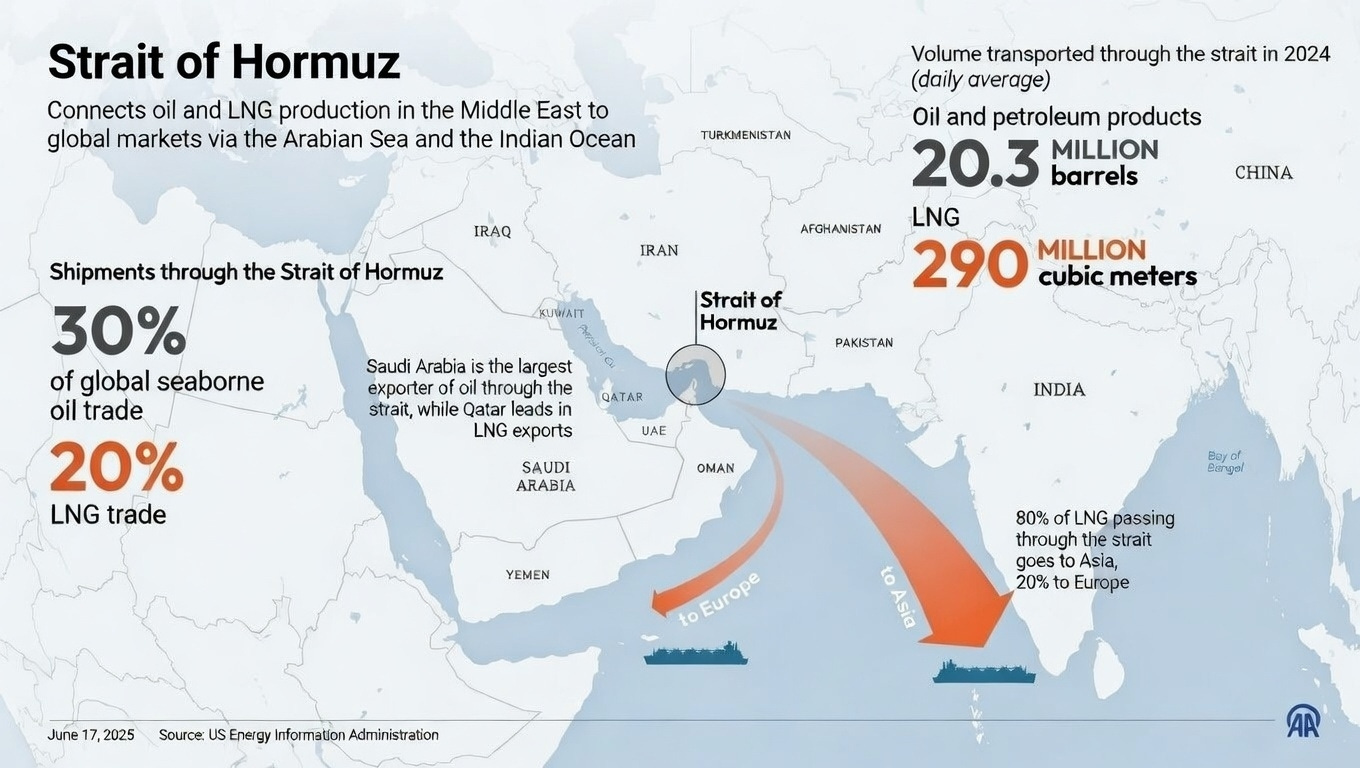
The Strait of Hormuz represents a vital chokepoint for Oil and LNG worldwide shipments
The logistical headache is real. Rerouting around the Cape of Good Hope means longer transit times and higher costs for everything from fuel to sneakers. Analysts warn that even if the strait stays technically “open,” the threat of one-off attacks on tankers is enough to keep the market on edge and prices climbing. Industry experts describe a sense of “fatigue” as companies tear up contingency plans to deal with yet another geopolitical twist.
What’s the bottom line for your wallet? Expect higher container rates and potential supply chain delays as long as this conflict persists. While military experts doubt Iran can fully close the strait, the mere risk of disruption is already baked into the price of global trade. For now, the “Eisman Playbook” of staying the course is being tested by the reality of a much longer, more expensive journey for the world’s goods.
Subscribe for free to receive our FREE Retirement Calculator and Guide
Disclaimer:
The information provided by The Market Dispatch is for educational and informational purposes only and should not be construed as financial, legal, or investment advice.
The Market Dispatch, its authors, and contributors are not financial advisors, brokers, or attorneys. Any opinions, analyses, or projections expressed are solely those of the authors and do not constitute specific recommendations for any individual.
Investing involves risk, including the potential loss of principal and capital. Past performance does not guarantee future results. Before making any financial decisions or investments, you should consult with a qualified financial advisor or other professional who understands your personal circumstances.
By reading this newsletter or using any related materials, you acknowledge and agree that The Market Dispatch and its team will not be held liable for any loss, damage, or expense incurred as a result of reliance on the information provided.
Great read! It was perplexing that the market closed on a high Monday.
solid writeup! keep up the good work