

It’s been a weekend of high-stakes exits and volatile new beginnings. While the Federal Reserve is keeping us in a state of "suspended animation" by holding interest rates steady, the world outside Washington is moving at a frantic pace. From the literal sinking of boats in the Strait of Hormuz to the sudden collapse of Spirit Airlines, the economic pillars we’ve relied on are shifting. This week, we’re breaking down why your next vacation just got more expensive, why the Fed isn't coming to the rescue of your credit card balance yet, and what the latest flare-up in the UAE means for global energy security. Here is the brief on what’s actually happening with your money.
Subscribe for free to receive our FREE Retirement Calculator and Guide
The Fed’s “Suspended Animation”: Why Rates Aren’t Moving Just Yet
The Federal Reserve decided to keep things exactly where they are after their April meeting, leaving interest rates in the 3.5% to 3.75% range. This was likely Jerome Powell’s last stand as Chair before the baton passes to nominee Kevin Warsh. Between the ongoing energy shock from the war with Iran and the upcoming change in leadership, the Fed is essentially in a state of “suspended animation,” waiting for the dust to settle before making any big moves.

Credit card rates have exploded in the past few years, leading some to label them as “legalized loan-sharking”.
For those of us dealing with debt, the “cavalry isn’t coming” quite yet. Credit card APRs are still hovering just under 20%, and the average monthly car payment has climbed to a record $773. Even mortgage rates, which usually follow their own path, have ticked up to 6.38% lately. It’s a tough spot for anyone looking to buy a home or a new car, as high prices and high interest rates continue to squeeze monthly budgets.
The only real bright spot in this report is for savers. While the Fed hasn’t cut rates, they haven’t raised them either, which means high-yield savings accounts and CDs are still paying out around 4%. That’s a solid return that’s actually beating current inflation, so if you have some cash sitting on the sidelines, it’s finally earning its keep while we wait for the broader economy to find its footing.
The Ceasefire Crumbles: Attacks in the UAE and Clashes in the Hormuz
The ceasefire we’ve been watching just took a massive hit. Over the weekend, the UAE reported intercepting a mix of ballistic missiles, cruise missiles, and drones launched from Iran, which resulted in several injuries and a total shutdown of their airspace for the next week. On top of that, the U.S. Navy confirmed it sank six Iranian boats that were attempting to interfere with commercial shipping in the Strait of Hormuz. It’s a major escalation that puts the new “Project Freedom” mission—the U.S. effort to break the ongoing blockade—into a direct combat role.
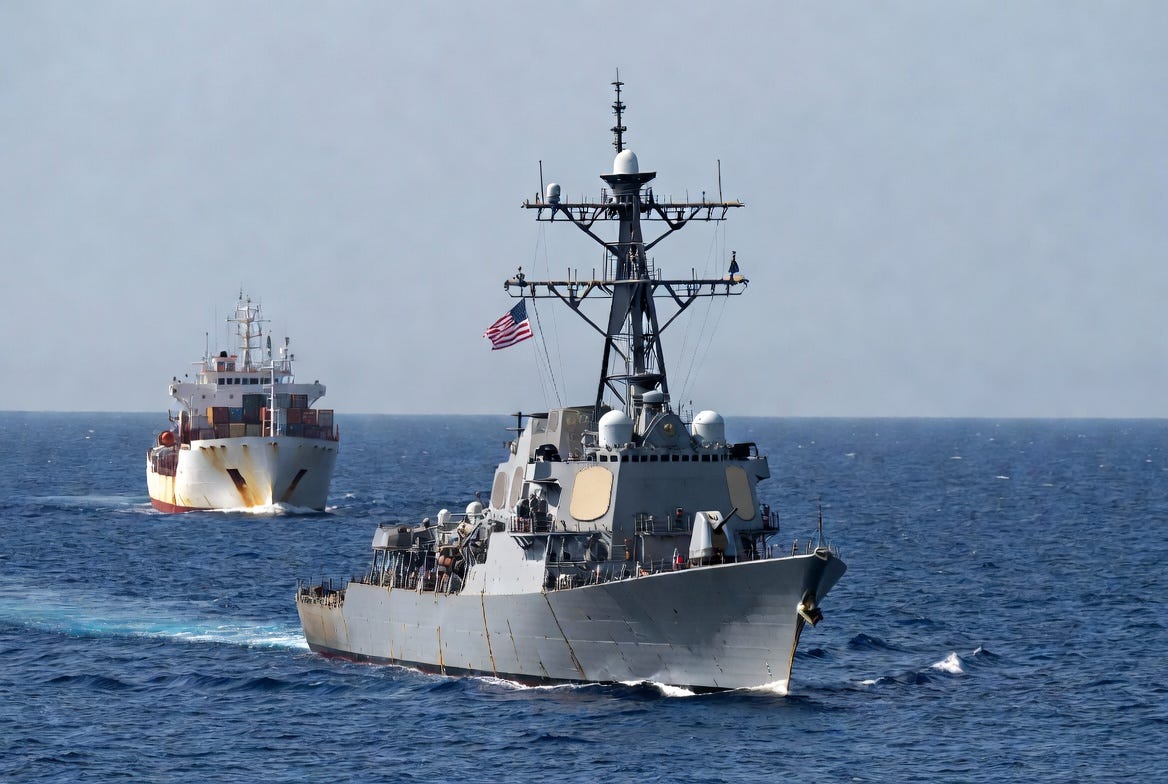
The U.S. Navy has started escorting commercial ships through the Strait of Hormuz to ensure their safety
President Trump hasn’t officially walked away from the ceasefire yet, but his warnings have reached a new level of intensity. He stated that Iran will be “blown off the face of the earth” if they target U.S.-protected vessels and is even calling on allies like South Korea to step up after one of their cargo ships was reportedly targeted. While Tehran is busy denying their boats were even sunk, the images and alerts coming out of the region tell a much more volatile story of unprovoked attacks on civilian and commercial infrastructure.
As you might expect, the markets reacted quickly to the chaos. Stock indices closed sharply lower on Monday while oil prices jumped, reflecting growing fears that this conflict is going to be much more prolonged and expensive than investors initially hoped. With the UAE serving as a major hub for global oil shipments, this move into their territory adds a fresh layer of risk to an already strained energy market.
Grounded: The End of the Spirit Era and the Rise of Airfares
The low-cost travel landscape changed overnight as Spirit Airlines officially ceased operations, leaving rivals scrambling to pick up the pieces. After a $500 million federal rescue package fell through last week, the budget carrier finally succumbed to a perfect storm of mounting debt and surging jet fuel prices driven by the ongoing conflict with Iran. Major carriers like United and Southwest stepped in over the weekend to assist stranded travelers, but the long-term outlook for your travel budget is looking much more expensive.
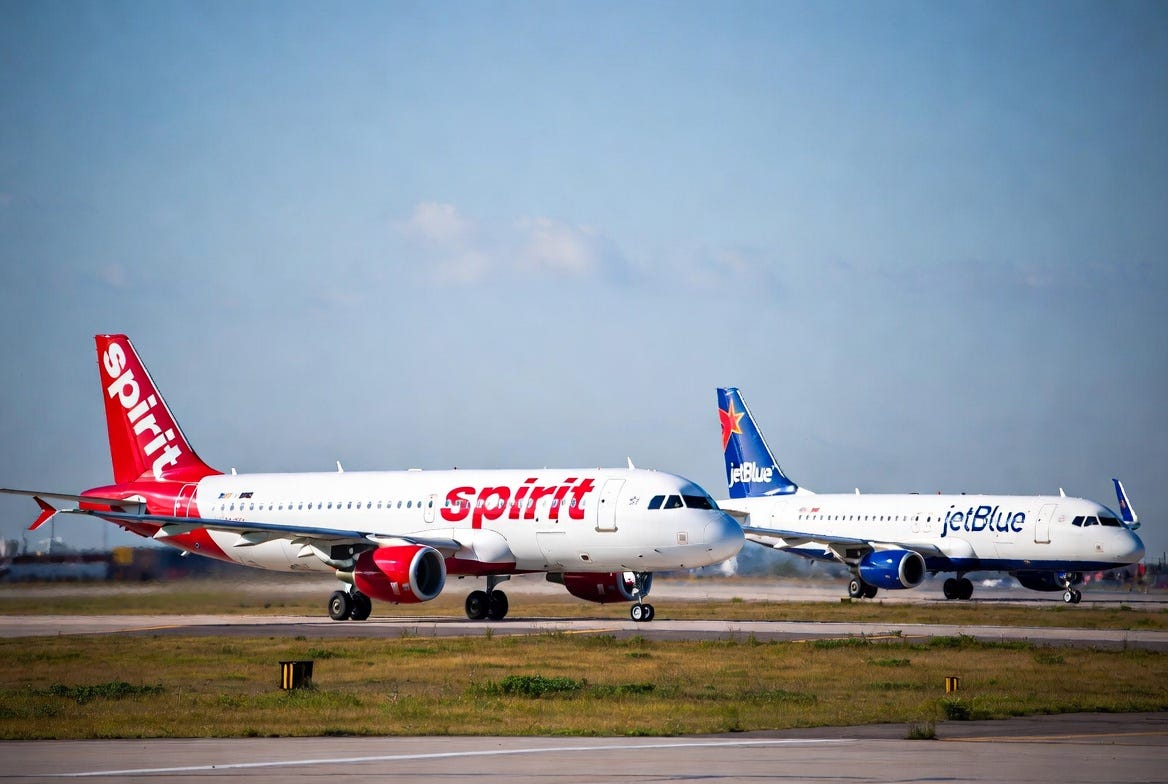
Airlines like JetBlue are looking to profit from taking over routes that Spirit used to dominate
With Spirit out of the picture, the “Spirit effect” that once kept regional prices low is vanishing. Airlines like JetBlue and Breeze are already swooping in to claim valuable gates in hubs like Fort Lauderdale and Atlantic City, but analysts warn this consolidation will likely drive airfares even higher. Without a major budget player to undercut the market, larger airlines now have more freedom to raise prices, especially since the industry is already grappling with the high costs of the energy shock.
This collapse is a major warning sign for the rest of the low-cost sector. Unlike the “Big Four” carriers, budget airlines don’t have the luxury of massive corporate contracts or credit card partnerships to offset the rising cost of fuel. As Frontier prepares to report its earnings this week, all eyes are on whether the remaining budget players can survive this high-cost environment or if we are headed toward an era where affordable “no-frills” flying becomes a thing of the past.
Subscribe for free to receive our FREE Retirement Calculator and Guide
Disclaimer:
The information provided by The Market Dispatch is for educational and informational purposes only and should not be construed as financial, legal, or investment advice.
The Market Dispatch, its authors, and contributors are not financial advisors, brokers, or attorneys. Any opinions, analyses, or projections expressed are solely those of the authors and do not constitute specific recommendations for any individual.
Investing involves risk, including the potential loss of principal and capital. Past performance does not guarantee future results. Before making any financial decisions or investments, you should consult with a qualified financial advisor or other professional who understands your personal circumstances.
By reading this newsletter or using any related materials, you acknowledge and agree that The Market Dispatch and its team will not be held liable for any loss, damage, or expense incurred as a result of reliance on the information provided.
Nice article
very interesting